

A medic’s guide to basic gear for treating cuts, broken bones, and other common trail injuries, with expert advice from Peak Safety
The problem with standard kits
I sat at the bottom of a rocky chute in the Akatarawa Range wondering how an innocuous slide-out caused a 7cm gash on my knee. The light was fading. It was cold and wet. There was a lot of gnarly riding to go and I needed to get out before dark. I pulled out my off-the-shelf first-aid kit, but everything was too small and nothing would stick.
The reality is that standard first-aid kits are designed for household cuts and scrapes, not the dirty, sweaty, wet conditions of mountain biking — they’re filled with stuff that just isn’t appropriate for the types of injuries mountain bikers suffer.
After that experience I decided to build my own kit from supplies from the local pharmacy. But what should a mountain biker’s first aid kit contain?
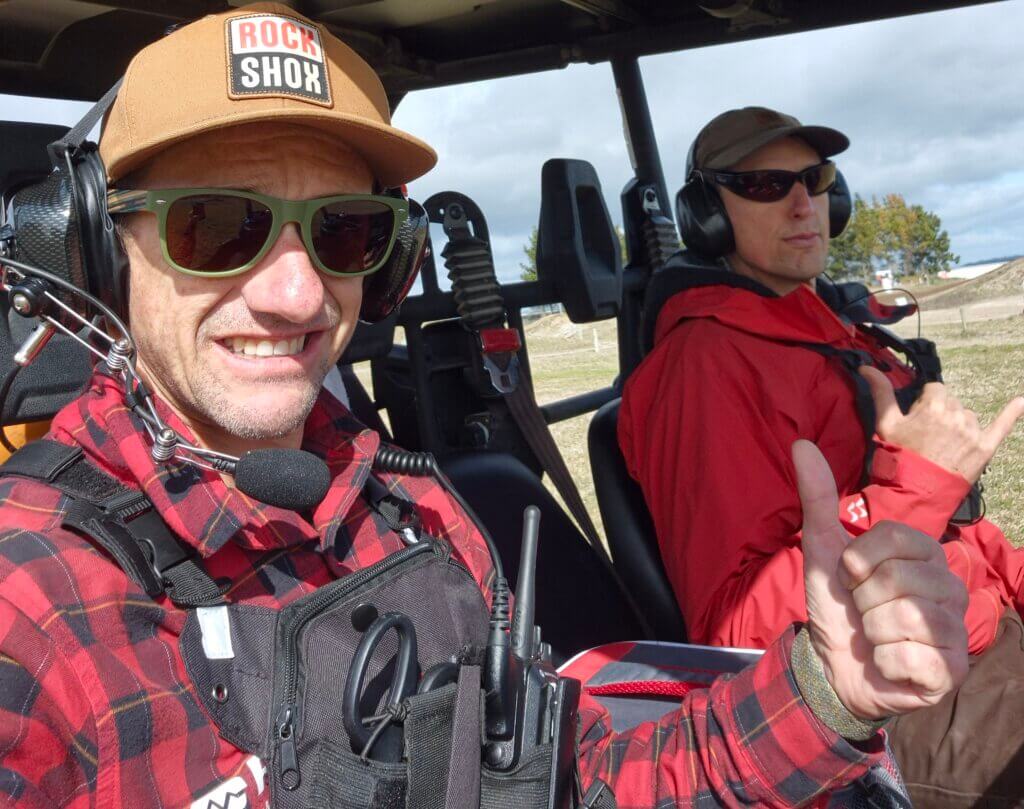
We consulted Wayne Williams, a Peak Safety medic who works with the Rotorua Mountain Bike Club First Response Unit, for his expert advice on building a first aid kit that’s truly useful for mountain bikers.
Q: What are the most common mountain biking injuries you see?
A: In the bike park, broken collarbones are what we mostly see. There are lots of other injuries, but collarbones are the most common, followed by concussions.
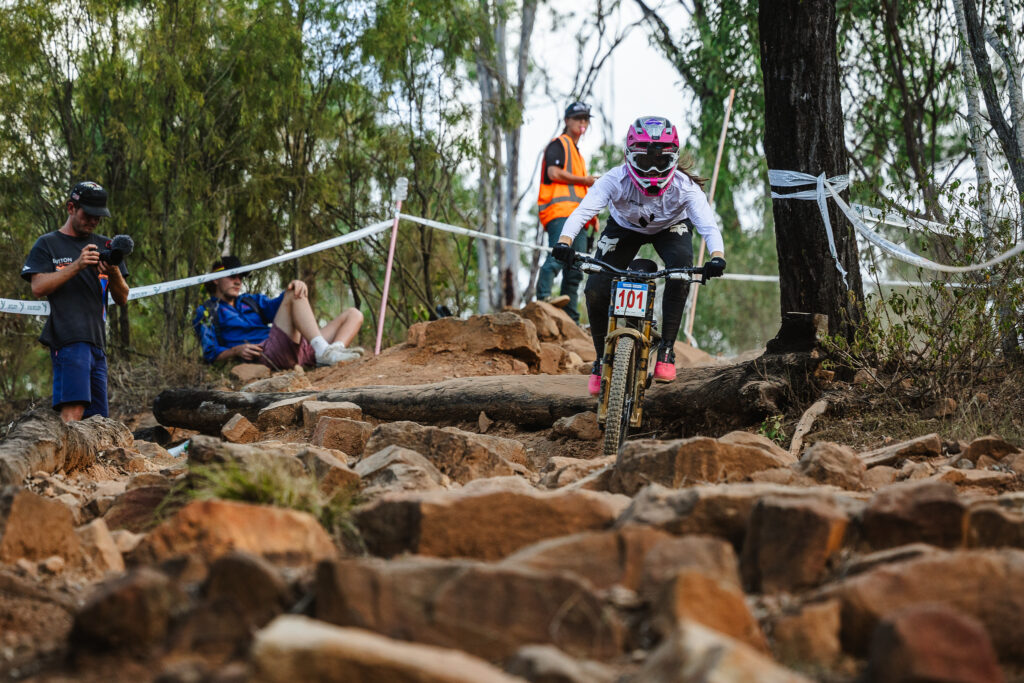
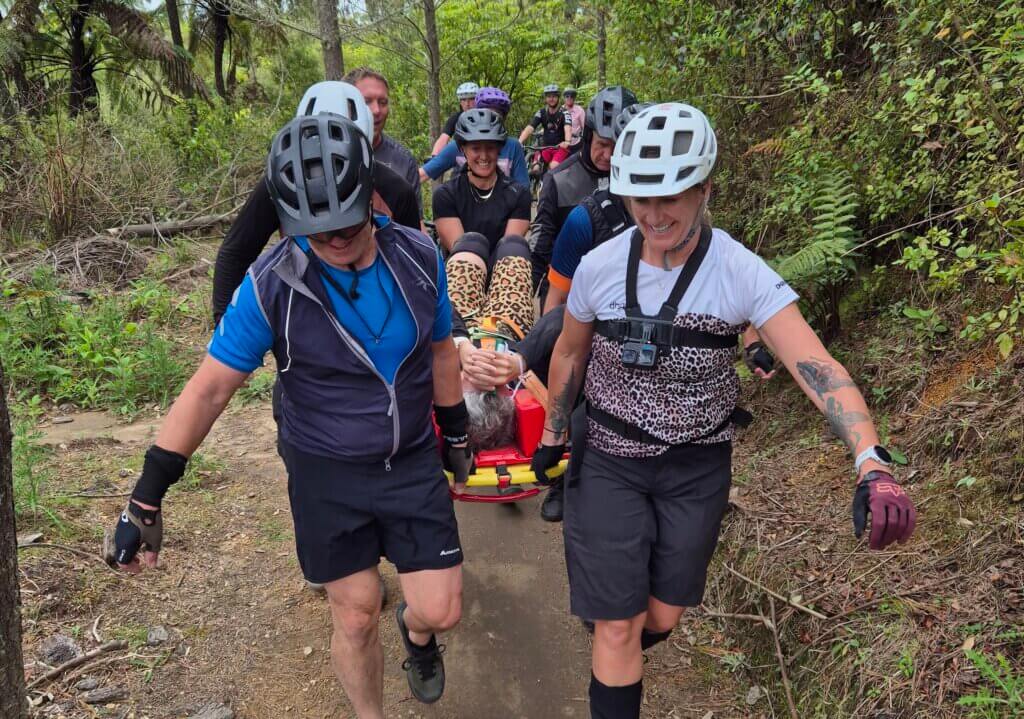
We don’t tend to see the minor stuff. Mountain bikers are pretty good at getting themselves out of the forest, even when hurt. I’ve done it myself. But it’s crucial for people to call a medic if they’re injured — that’s what we’re there for.
Q: What are the essential first-aid items every mountain biker should carry?
A: I recommend carrying a well-equipped kit, like Peak Safety’s Nek Minute kit. It’s designed for the trail and includes a large island dressing, a mouldable splint, a crepe bandage, a triangular bandage, wound dressings, and a roll of tape.
I’d also add a Foil Blanket to help keep the injured person warm and dry, particularly if they’re in shock.
With this kit, you’re prepared for most scenarios. If you have a deep cut, you can apply a dressing and bandage it. For a fracture, you can use the splint and bandages to immobilise the limb, or use the triangular bandage as a sling. It has everything you need to manage an injury and get yourself out.
Q: What would you add to that kit for longer or more remote rides?
A: For bigger rides, I’d throw in some pain relief like ibuprofen and Panadol — it can make a big difference. You could also add a tourniquet. Most severe bleeds can be stopped with pressure, but a tourniquet is a life-saving tool for major hemorrhages.
And always, always take a personal locator beacon (PLB) for remote areas. If things are really bad, a PLB can get a rescue helicopter to you quickly. And obviously, always let someone know your ride plans.
A mountain biking first-aid kit checklist
Below is a list of essentials for individual riders. For large groups or very long or remote rides, a more comprehensive kit is necessary. All these items can be bought from most pharmacies or online from Peak Safety, firstaidonline.co.nz or St John’s website.
Core Essentials (for Every Ride):
- Mouldable Splint: A flexible, lightweight splint for stabilising broken bones or sprained joints.
- Latex or Nitrile Gloves: Essential for maintaining a sterile environment and protecting yourself from blood-borne pathogens.
- Waterproof Tape: Standard tape won’t hold in mud, water, or sweat. Use a high-quality, waterproof option.
- Triangular Bandage: A versatile tool that can be used as a sling, to secure a splint, or for pressure application.
- Crepe Bandage: Ideal for applying pressure to control bleeding or for wrapping sprains and strains.
- Waterproof Wound Dressings: Include a variety of sizes (e.g., gauze pads, adhesive dressings) to treat different cuts and gashes.
- Emergency Foil Blanket: Provides shelter and warmth and helps to prevent shock and hypothermia.
Extras for Remote and Longer Rides
- Pain Relief: A few tablets of ibuprofen or Panadol can provide crucial pain management until you reach safety.
- Tourniquet: A life-saving device for managing severe, uncontrolled arterial bleeds.
- Personal Locator Beacon (PLB): An essential safety device for remote trails, enabling rapid rescue in an emergency.
- Emergency Contact Plan: Always tell a trusted friend or family member your route and expected return time.
Building a first-aid kit with these essentials will ensure you are prepared for the most common mountain bike injuries. Don’t let a minor mistake turn into a major emergency.

FAQ
Q: Why don’t standard first-aid kits work for mountain biking?
A: Standard first-aid kits are typically designed for minor, everyday cuts and scrapes, not for the challenging conditions of mountain biking. The supplies in these kits, like small plasters and regular tape, often fail to stick in the presence of dirt, mud, sweat, and water. They also lack the necessary items to properly manage more serious injuries like fractures or deep gashes.
Q: What are the most common injuries mountain bikers get?
A: While mountain bikers are often skilled at getting themselves out of the forest, the most common injuries requiring medical attention are broken collarbones and concussions. More minor injuries like cuts, scrapes, sprains, and abrasions are also very common.
Q: What essential first-aid items should I carry on every ride?
A: For every mountain bike ride, you should carry a kit that includes a mouldable splint, latex or nitrile gloves, waterproof tape, a triangular bandage, a crepe bandage, and a variety of waterproof wound dressings. A foil blanket is also crucial for preventing shock and hypothermia, especially if you’re stuck waiting for help.
Q: What should I add to my kit for longer or remote rides?
A: For longer or more remote rides, consider adding pain relief like ibuprofen or Panadol, a tourniquet for managing severe bleeds, and most importantly, a Personal Locator Beacon (PLB). A PLB is a life-saving device that can quickly alert rescue services to your location in an emergency. Always remember to tell someone your ride plan and expected return time.
Q: Where can I buy a first-aid kit designed for mountain biking?
A: You can purchase a pre-made kit, such as the Peak Safety Nek Minute kit, or build your own. Many of the items can be found at local pharmacies, or online from specialist websites like Peak Safety, firstaidonline.co.nz, or the St John’s website.
Peak Safety Nek Minute Kit: $44 + GST
Peak Safety Comprehensive Outdoor First Aid Kit: $137 + GST