

Technical, stylish, and quietly confident, Indy is building toward her biggest season yet.
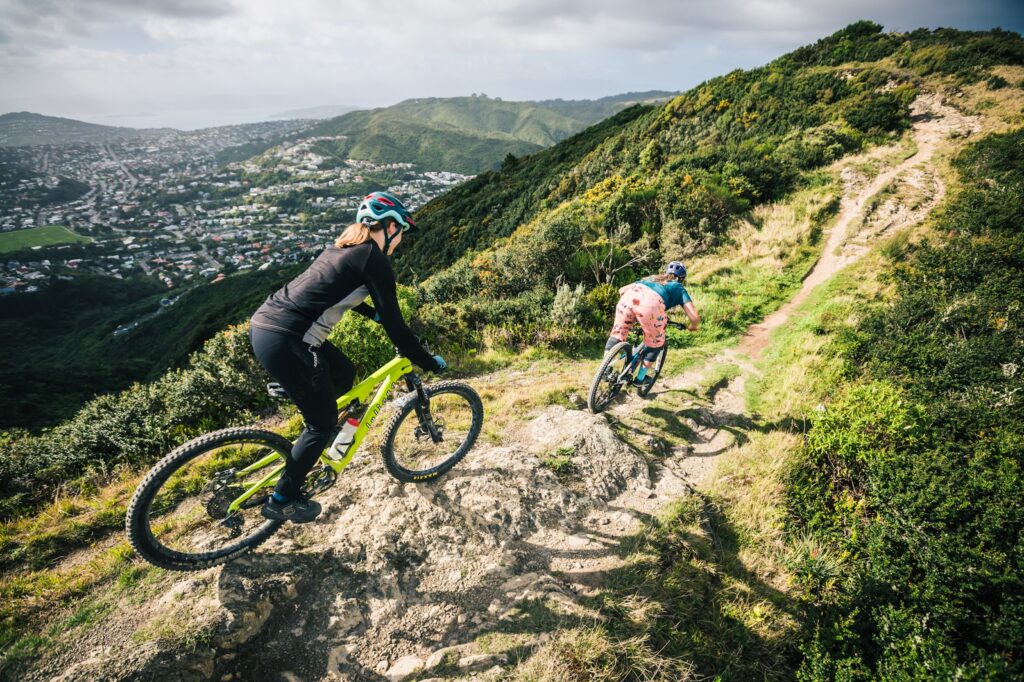
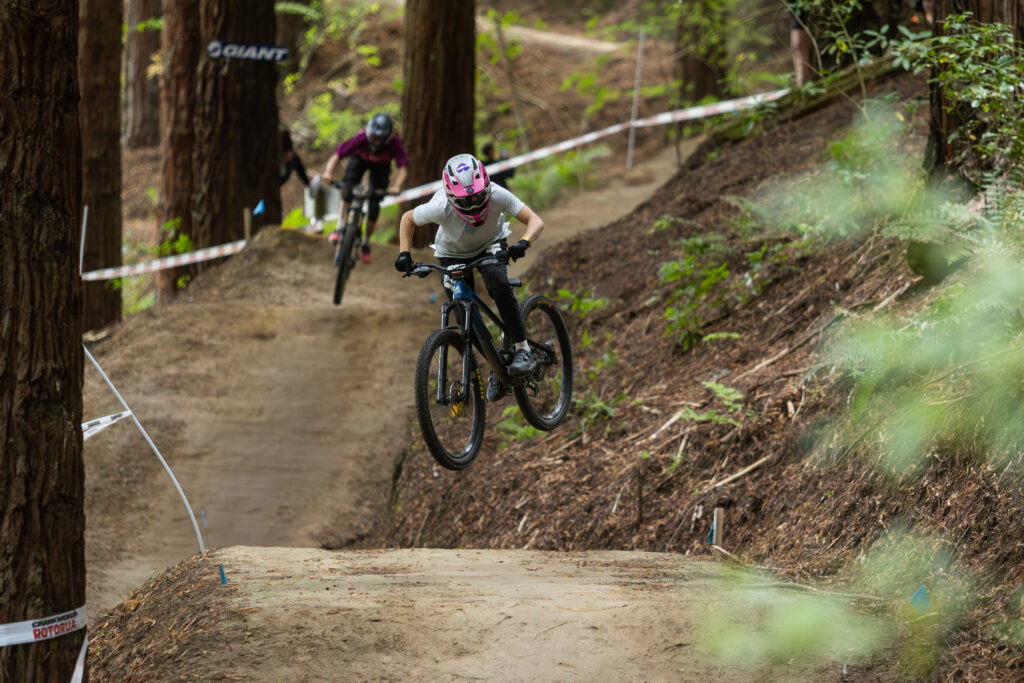
Growing up in the mountain-biking crucible of Queenstown, Indy Deavoll was always going to be a rider. What wasn’t written in Skyline’s stars was her speed and style. That was forged by long summers lapping the bike park, pushing her limits, and taking on the boys.
This year is an inflexion point for Indy. It’ll be her second year racing as a junior on the Downhill World Cup circuit and her last chance to carve a line into the ranks of the elites. Her recent results suggest she’s got all the momentum she needs.
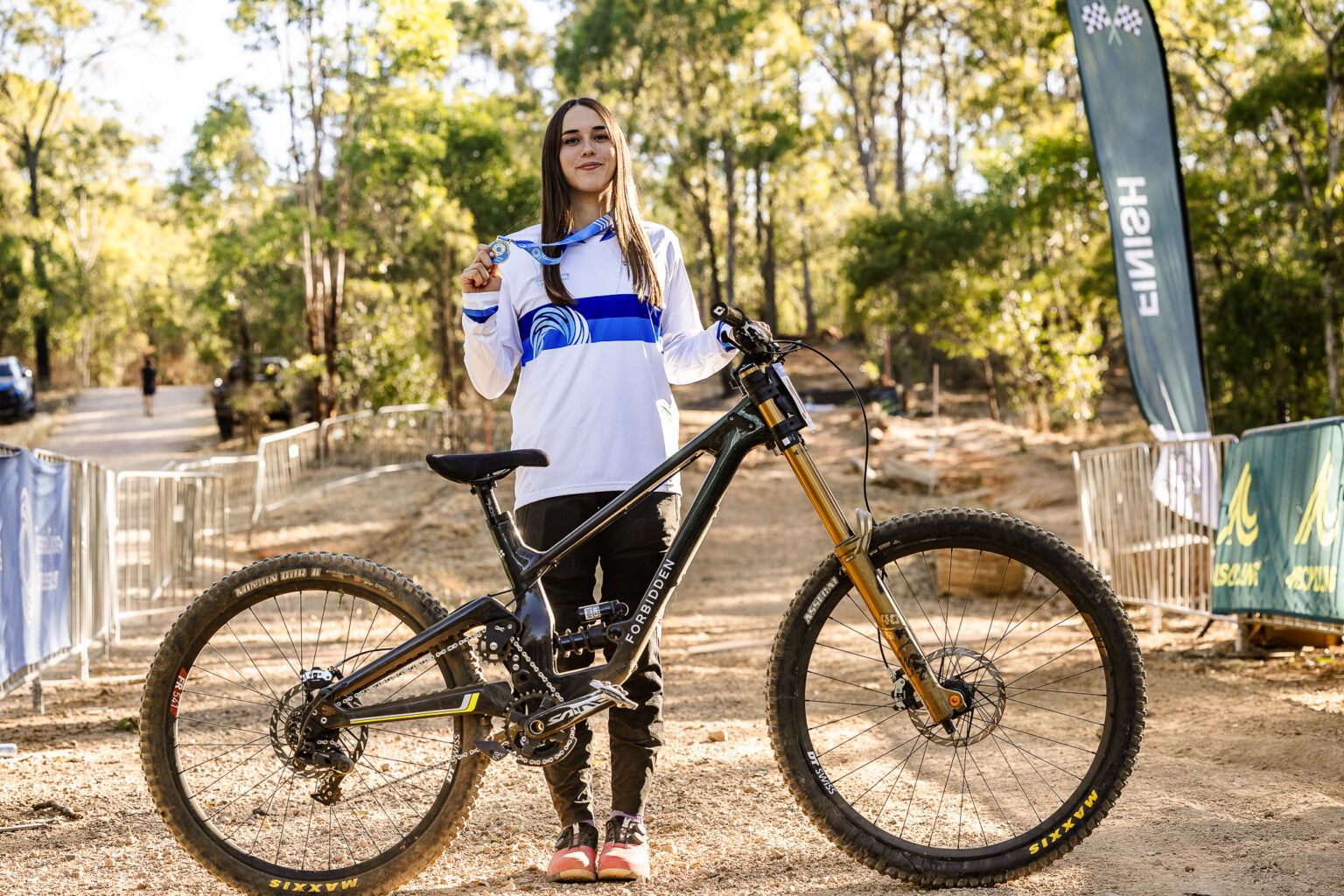
This summer, she grabbed both the Oceania and New Zealand National Champs jerseys, dominated the under 19 field at Crankworx Christchurch and Rotorua, and consistently registered times that would’ve put her on the elite podium.
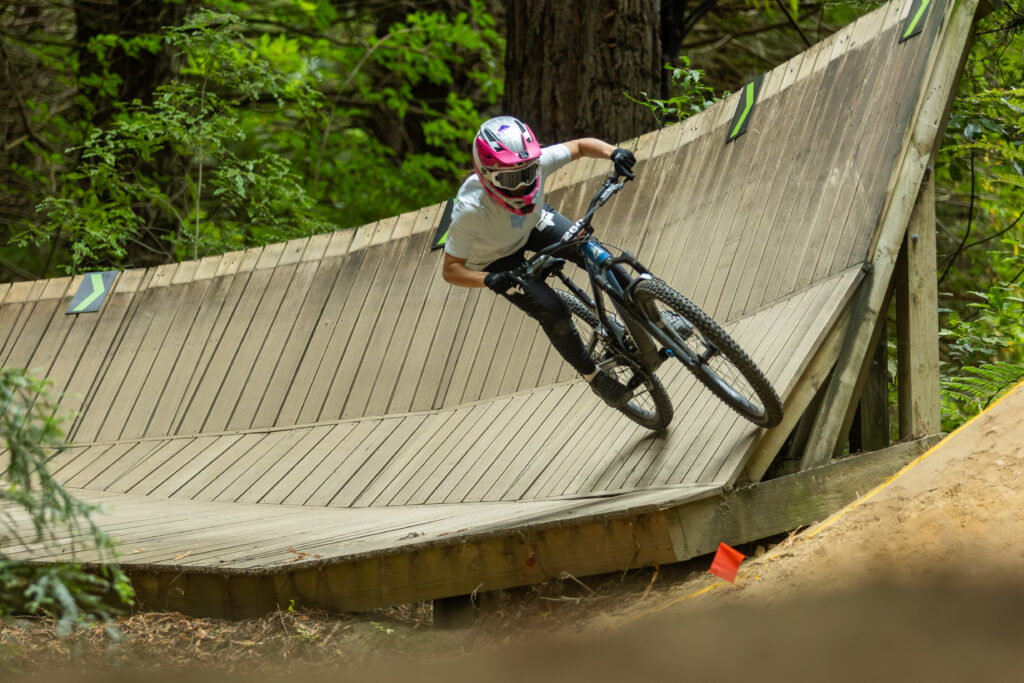
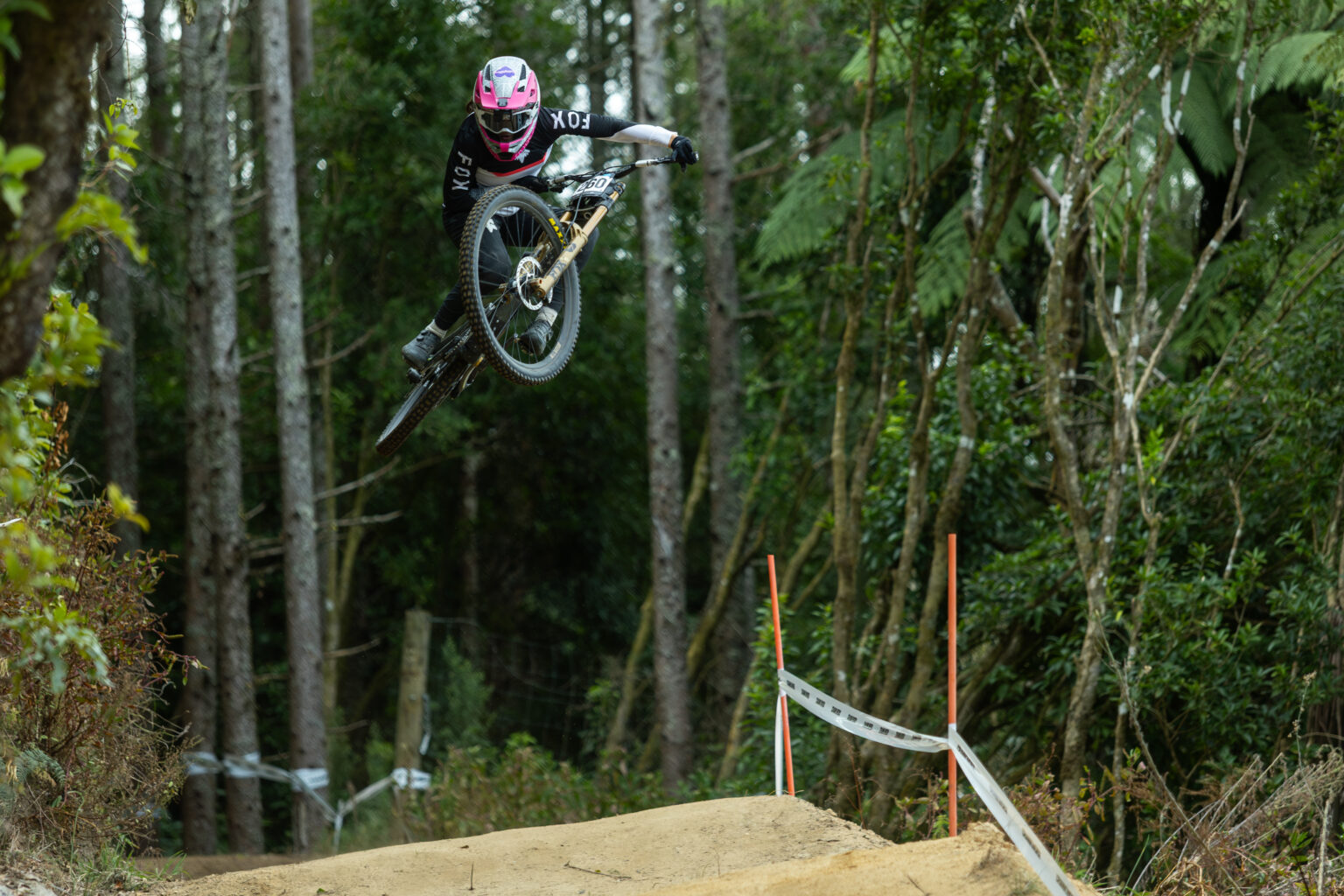
I was a media squid at some of those races, and I can tell you that there’s plenty of style to go with that speed. I had Indy’s Crankworx Rotorua Whipoff as the most tweaked of the field. And her consecutive tables off the Karearea DH finishing step down and jump were made more impressive by the fact those features caught out more than a few pros.
At just 17, Indy’s already instinctive in the way the best riders are: more attuned to feel than analysis. While shy, there’s a quiet confidence about the Stoic Racing and Forbidden Bikes rider that says she can make it at the top level. She talks about technical tracks with a kind of measured excitement and satisfaction of “nailing” something difficult. There’s a humility there too, a perspective that keeps things grounded: this is something she gets to do, not something she feels entitled to.
But beneath that is steel. The crashes, the early nerves, the experience of growing up as the only girl on the start list—they’re the heat that forged a rider who doesn’t shy away from pressure, who understands that progression isn’t linear, and who’s learned, perhaps earlier than most, that confidence is something you build.
Hi Indy. How are you feeling on the bike at the moment?
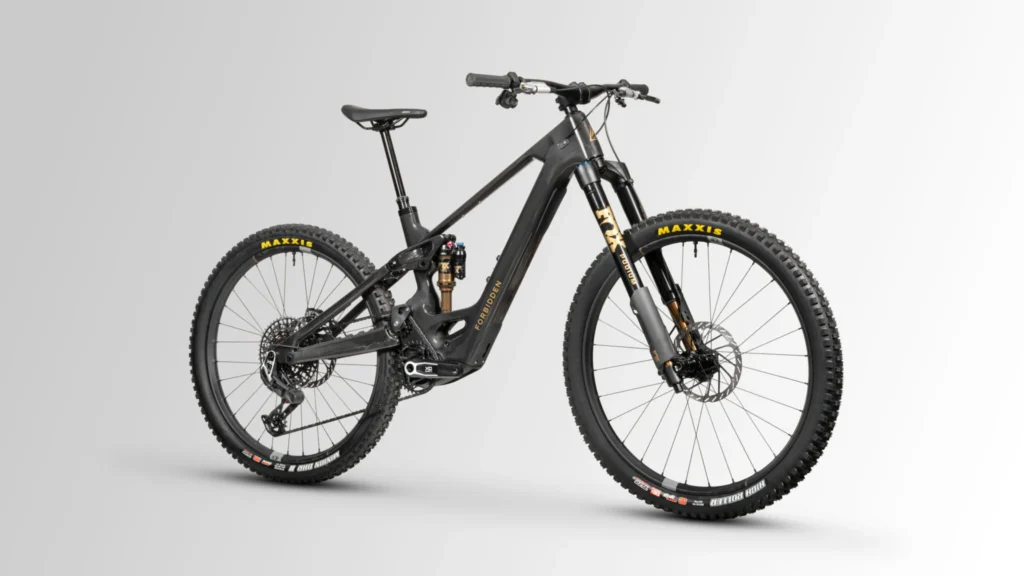
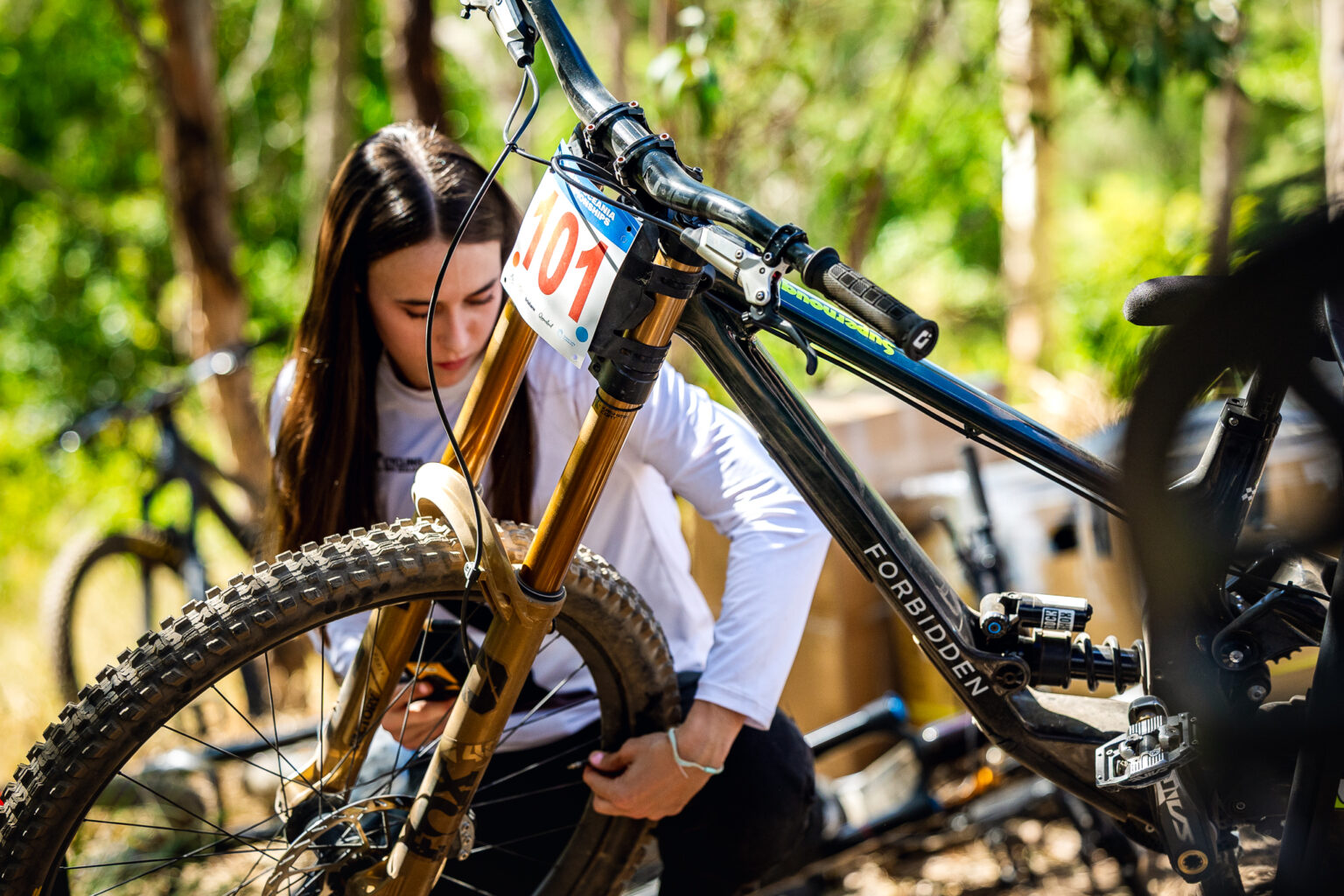
I’m feeling really good on the bike at the moment, coming off a big summer of riding constantly all the time has really helped. And also I just got my new Forbidden Supernought a few months ago, so I’m glad to put down some good races on it. I just loved it straight away. I did a bit of testing with my coach Rory Bingham of Onward. And he helped sort out the suspension and everything which was great.
So tell me a bit about your racing plans for the next 12 months.
I plan on doing the whole UCI World Cup Downhill season, starting in South Korea in May and finishing in Lake Placid in October. I’m going to do most of those races with my team, but it’s a privateer/development team rather than a factory team, so I’m doing the first two World Cups as a privateer with my Mum and then I’ll join up with my team.
The second year racing juniors is important for establishing yourself as an elite rider. How do you feel about that coming into this season?
Yeah, I’m really excited for it. I feel like I’m really prepared from last year—I’ve learnt all the tracks now and I’m familiar with the competition over there and just all the new things that come with racing World Cups. I also think I have improved a lot since my last season and I am excited to see where I will stack up in juniors this season.
Your results last season were really good—you were consistently top 10. And some of the people you were racing against will be moving to elite, so you must feel confident going into this race season.
Last year I had no idea how I was going to go and it was a really last minute decision to actually go overseas to race World Cups, so I’m very proud of my results over there. It was really scary just going into something so different, having no idea how I was going to do it. I am happy with how consistent I was considering Juniors are known for crashing a lot. One of my goals for last year was to get through the season healthy but, because of that, I feel like I didn’t push as hard, which I will do this year.
What was your favorite place to race last season?
I really liked La Thuile in Italy—it was a brand new track, so it made it fair. Same with Lake Placid because there are no local advantages and everyone has the same amount of time to learn the track. I also feel like I learn tracks pretty quickly.
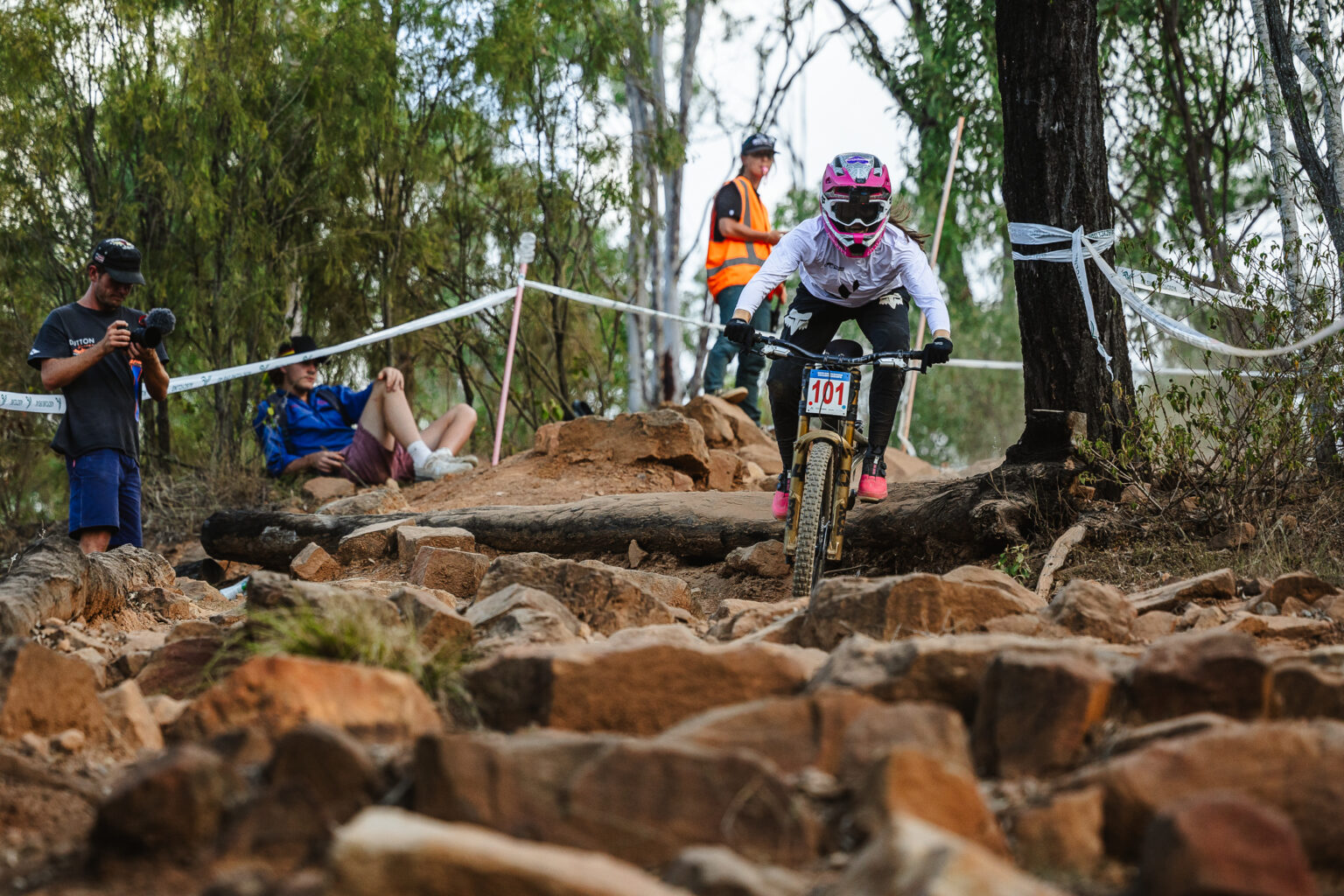

Photo | Craig Cox Photo | Justin Henehan
Do you prefer the flowy bike-park type tracks or the more technical trails?
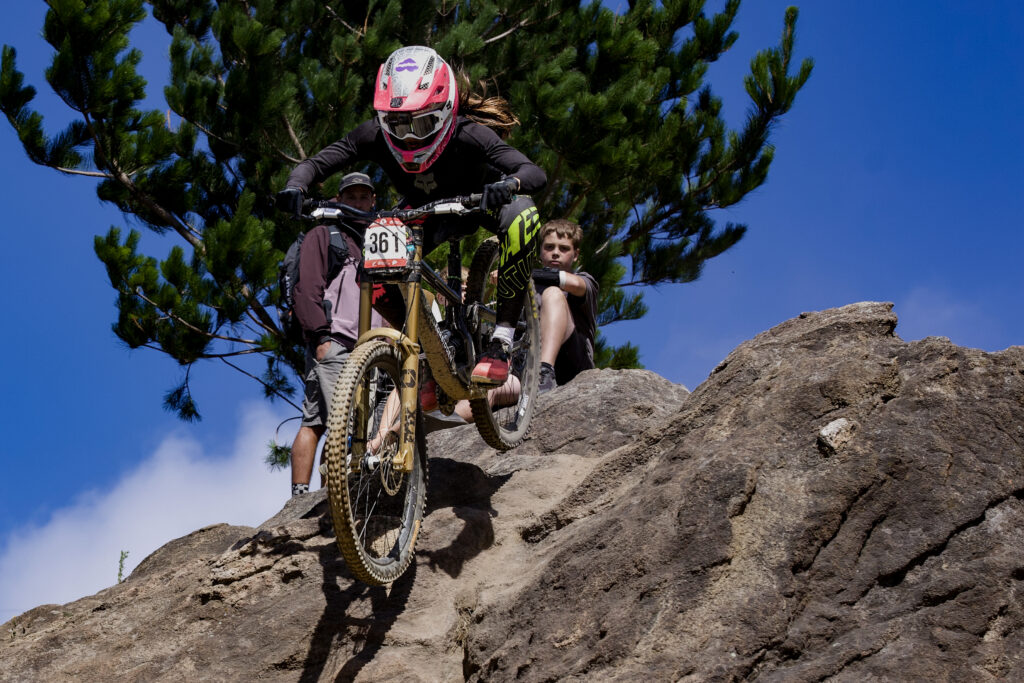
I really like the technical trails. There’s a lot of that technical stuff in Queenstown at Skyline that I really enjoy riding. And when you nail a really hard technical section, it just feels really good. I do love throwing whips on big jumps though.
Where are you excited about racing this season? Is there a venue you’re really excited to go back to?
I’m really excited for Whistler and the new World Cup 1199 downhill track. I rode it last year for Crankworx but unfortunately the race got cancelled. I really loved that track—it’s so technical and steep and has huge gap jumps and I feel like it’s really suited to me.
I’d like to change tack a little bit and go right back. How did you first get into mountain biking?
I didn’t really touch a bike until I was about 14. At the time my brothers were starting to get into riding but just around the neighbourhood finding little jumps everywhere. And then I ended up going with them in the afternoons up Coronet Peak and rode Hot Rod. The more I rode, the more I wanted to go to the Skyline in Queenstown. But when I finally got there I had the gnarliest crash on one of my first laps and ended up in hospital.
That’s tough. You didn’t give up though. What was it that made you want to keep riding?
I’ve always been into sports but the adrenaline of mountain biking was really cool. I didn’t know any girls that were riding then, but there were a lot of my guy friends riding and there was a cool group of us all riding together at Skyline. So that made it really fun.
Did you do any other cycling before mountain biking?
No, no biking, but the year before I got into mountain biking I was competing in jiu-jitsu and I was a national champ for that. I was also really into snowboarding, skateboarding, surfing and netball so I’ve always been very sporty.
Was there anything about jiu-jitsu that translated over to mountain biking?
It definitely gave me a lot of foundation strength I think. Yeah, you need to be strong everywhere in your body for Jiu-Jitsu. So that helped me.
When did you decide you wanted to try racing?
I got into it pretty early, but just little local races in Queenstown. The season I started riding, there were some local races at Skyline that I entered with my brothers. I remember being pretty embarrassed because I was scared that I was going to get beaten by all the boys. But because there were little to no other girls racing, I was winning races, which was fun and kept me wanting to race.
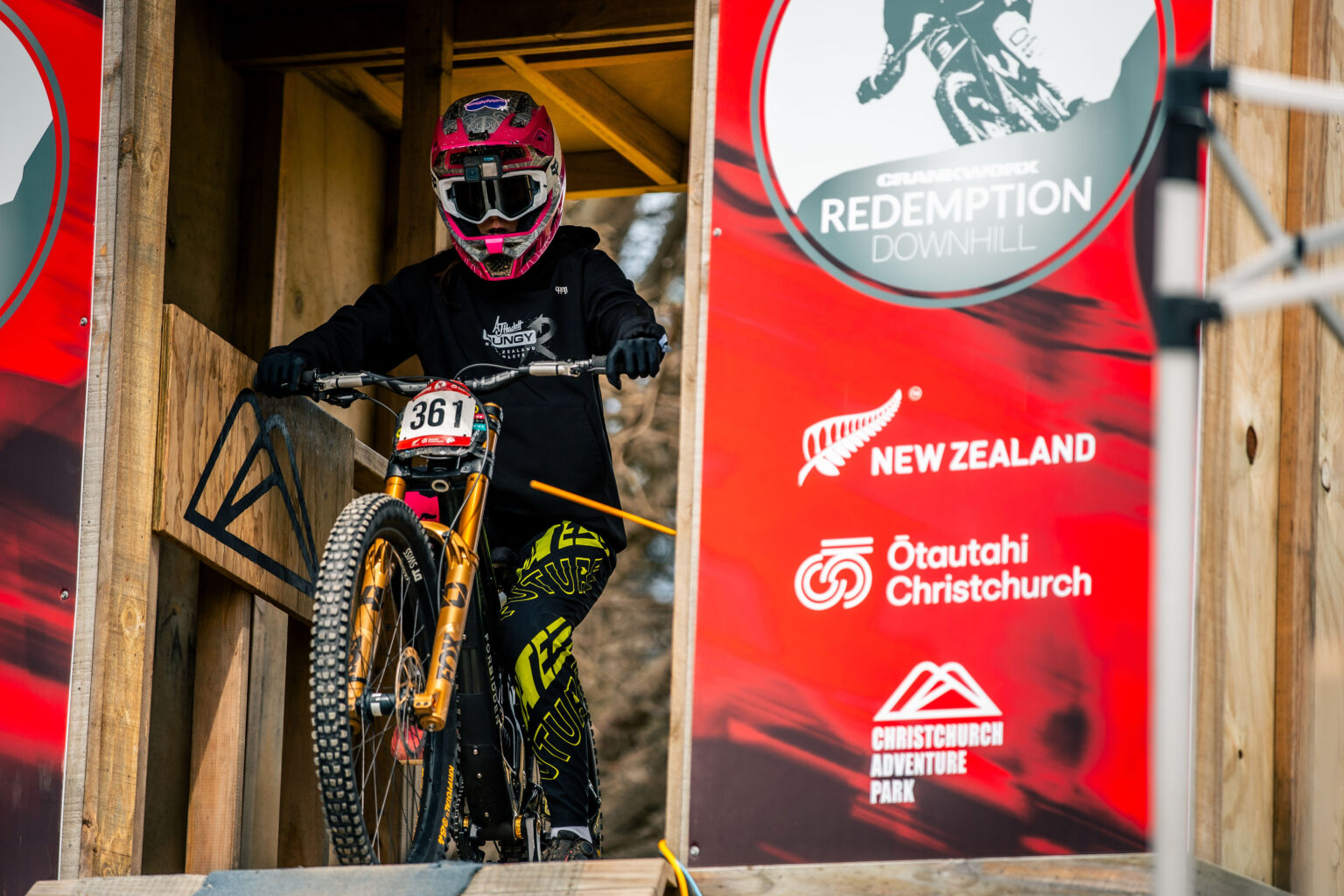
Photo | Mikhail Huggins Photo | Craig Cox
Did you enjoy racing straight away or did it take a little while to kind of really get into it?
I think I enjoyed it straight away. I’ve always been really competitive with all the sports I’ve done so yeah I really liked it.
Where do you think that competitiveness comes from?
I think it just comes from within myself, just like always wanting to do the best that I can do. And also both of my parents were professional snowboarders, so probably a little bit from there.
You said you were riding with a group of mainly boys and you’d worry about being slower than them at the local races. Did that motivate you to try and ride faster? Did you just want to beat the boys?
Yeah, I did want to prove that I could do what they were doing—like any jumps that they were doing, I would just follow them and do them, even though I did have a lot of crashes. I think that really shaped me as a rider, all those crashes and resilience from those.
How important do you think it was to have competition within that group of friends you rode with?
I think that was pretty important. And just to have a group to ride with, because it would have been scary to go to Skyline by myself. Especially with no girls around.
When did you first think ‘hey, I’m good at this’ and that you could take racing to the highest level?
It was probably not until the summer of 2024 when I was in my second year of U17s and I decided to start doing the New Zealand national rounds, and then my first Crankworx at Rotorua and I was consistently getting podiums. That sparked my love for racing and motivated me to do the rest of the Crankworx series in Cairns and then Whistler. I saved up for the flight tickets myself working at the ice cream shop Mrs Ferg and went with my mum. I didn’t really think of World Cup racing as a possibility until I qualified for all the World Cups by winning the elite Oceania Champs in 2025 as a first year U19.
“I just always tell myself that I'm lucky to be here and, wherever I am in the world when I'm racing, it's a privilege and that I'm just racing my bike, which I love doing.”
You’ve been racing for a little while now, are there any kind of racing routines you have? Anything that you like to do to feel good and ready?
I think it’s always important during a race week to get a lot of sleep and eat really well. I always have pasta for lunch and a banana before my race—that’s kind of become a routine. I feel like I’ve picked up really good routines from racing the World Cups, like making the most of my practice and memorising the track early. I always GoPro the track so I can visualise it later on or during chairlift rides between practice laps.
So are you someone who likes to do the same thing every time? Do you have a set way of going about things that you like to keep consistent?
Yeah, mostly. I try hard to keep things the same because I know my routine works for me.
Would you describe yourself as a nervous racer?
No, I don’t think so. I think obviously everyone’s going to be nervous at the top and I will get a little nervous but I think I can really push that aside and just get it done when it matters.
Is there anything you do that helps you deal with nerves?
Not in particular. I just always tell myself that I’m lucky to be here and, wherever I am in the world when I’m racing, it’s a privilege and that I’m just racing my bike, which I love doing.
Some people say they use the nerves during their race run and others say the nerves drop away when they drop in, which one are you?
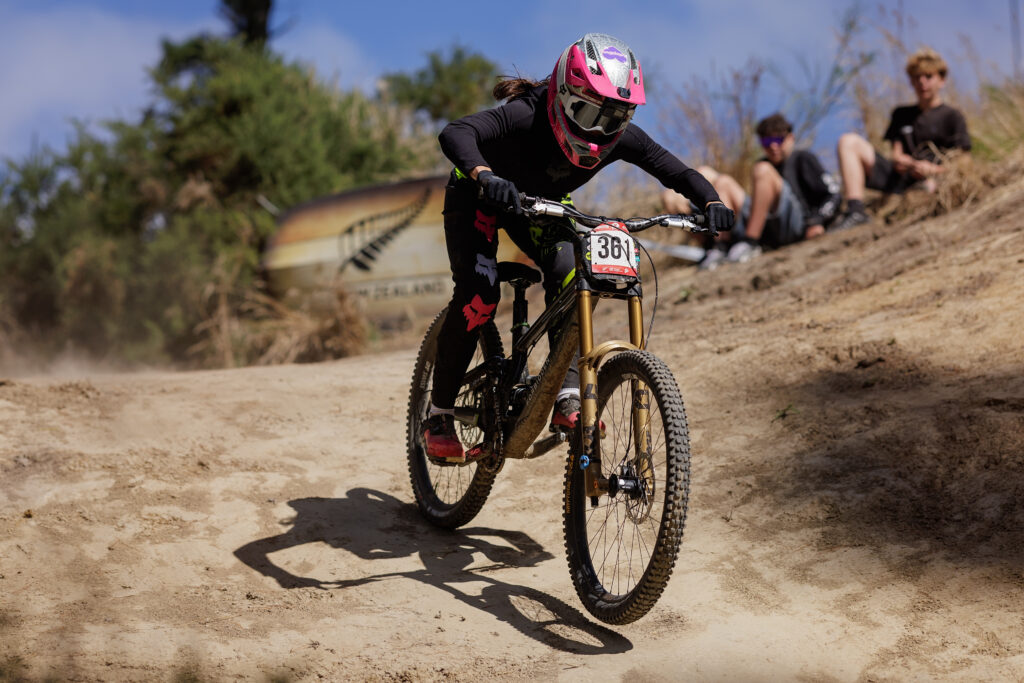
I’d say my nerves just disappear as soon as I leave the start gate and I focus especially when I’m on a good race run. That means that I’m not really thinking about anything else, just riding as well as I can. When I’m doing that there’s not really any room for feeling nervous or overthinking anything.
So what does riding well feel like for you?
When I’m just having fun, feeling really stoked about my riding and hitting all the lines nicely that I want to.
Do you consider yourself an instinctive or analytical racer?
I’m not thinking constantly about what I’m doing. I know where I want to be and it just kind of happens while I’m riding. I feel like it’s just reflexes and being really comfortable on the bike and then the riding just happens.
So how do you approach planning a race run?
I feel like if I overthink things it just overwhelms me, so I just trust that I’ll know what to do once I get out of the starting gate. I do obviously plan my run throughout the week. I look at lines on the track walk and during practice but I find it much more helpful when I’m actually on the bike and I can figure out what feels good and what doesn’t.
Are you picky about anything on your bike?
A little bit about the brakes—I have a nice angle that I set them to. But other than that, not really. I get used to changes pretty quickly.
What do you think was the most important thing that helped you to be successful?
I think it was my resilience. Through all the crashes and lost races and all that, my love of the sport got me through. When I started out I was crashing a lot, so my mum got me coaching with Rory Bingham at Onward. I still really value how he taught me to corner and brake properly. I would also say having my parents support me as much as possible and given me all these opportunities to travel and excel in this sport, I wouldn’t be anywhere without them.
“Through all the crashes and lost races and all that, my love of the sport got me through.”
What for you were the biggest challenges early in your racing career?
I think it was just crashing a lot and learning how to actually put down a race run. I remember when I started racing in my second year Under 17 at all the national rounds, most races I would crash. I was starting to get known for crashing in my races. So it was very important to overcome that.
Was that from pushing too hard, a technical problem, or a mental thing?
I think a little bit of all of those. I still didn’t really know how to ride as well as I do now and I didn’t know how to put down a race to run and handle that pressure. I think that just came with experience and heaps of bike time.
What would have made things easier when you were getting into racing?
I feel like there wasn’t as much of a girl community as there is now. I think that would have helped me a lot. But I’m grateful for it now. There are a lot of girls in Queenstown that ride now.
Is that about camaraderie, competition, or both?
I feel like I don’t really relate to boys as well as I can to girls because they’re just going so much faster and as girls we have different challenges, it’s almost like a different sport. Having a big circle of girls to ride with makes me want to go out and ride so much more. And also the competition, if there’s only two girls racing it just feels a little bit not fair and hard to find the motivation to push.
Why do you think there are more girls racing and riding in Queenstown than when you started?
There’s a lot of younger girls coming up, which is great to see. Maybe us older girls inspired them? I ride with them a lot as well so that probably helps.
What advice would you give to a younger version of yourself starting out in your racing career?
I would say just get out there and just keep riding your bike as much as you can. And don’t let the seriousness get to you just yet. Just enjoy the time on the bike and it will all come to you naturally.