
Why Trails Wellington is throwing a party for its trails and volunteers
Wellington Mountain Bike Festival 2026, February 27 to March 1
In Wellington, mountain biking doesn’t live on the edge of the city. It embraces it.
Now the city is embracing it back with the first ever Wellington Mountain Bike Festival—a celebration of the riders and volunteers that have quietly built one of the best riding centres in New Zealand.
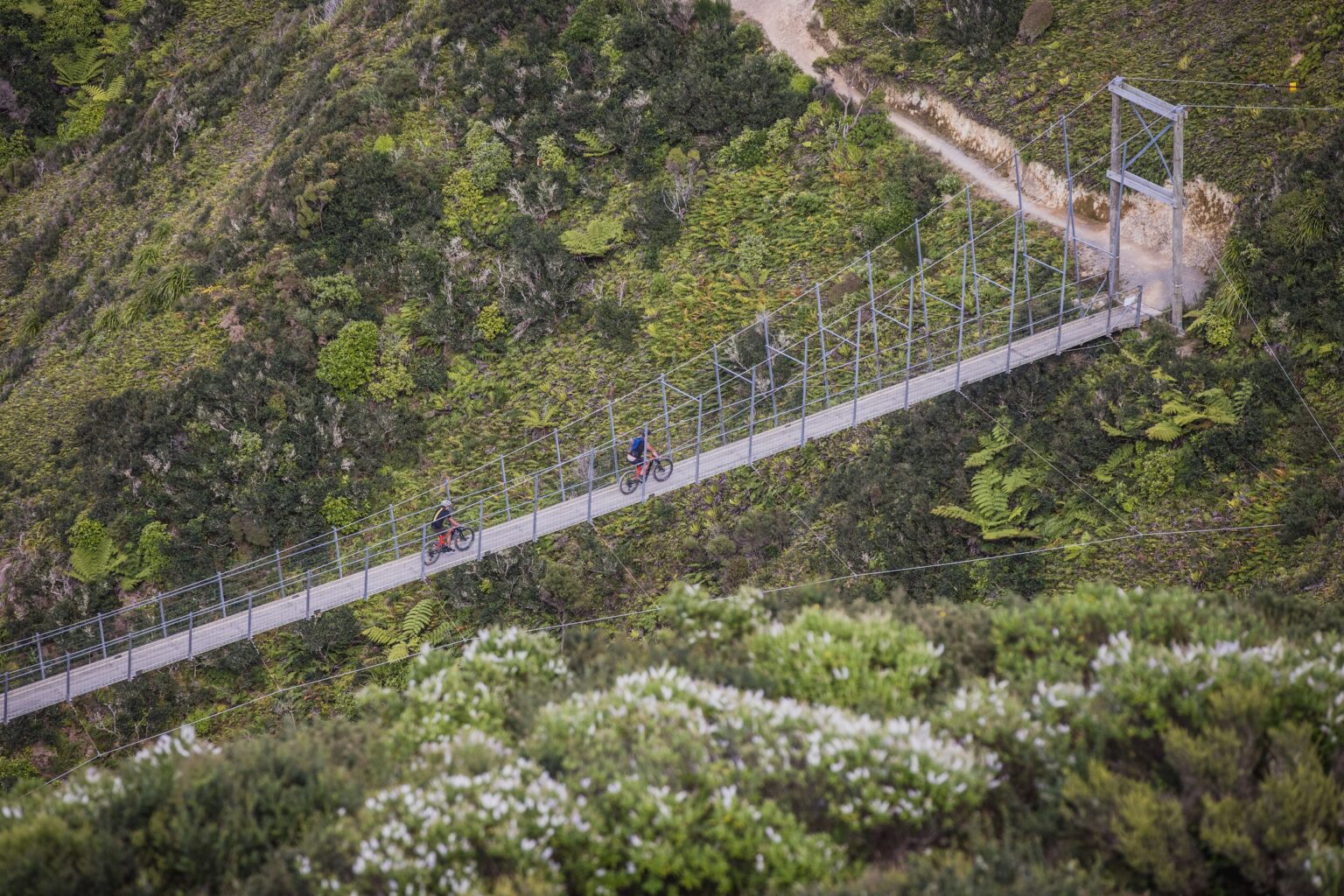
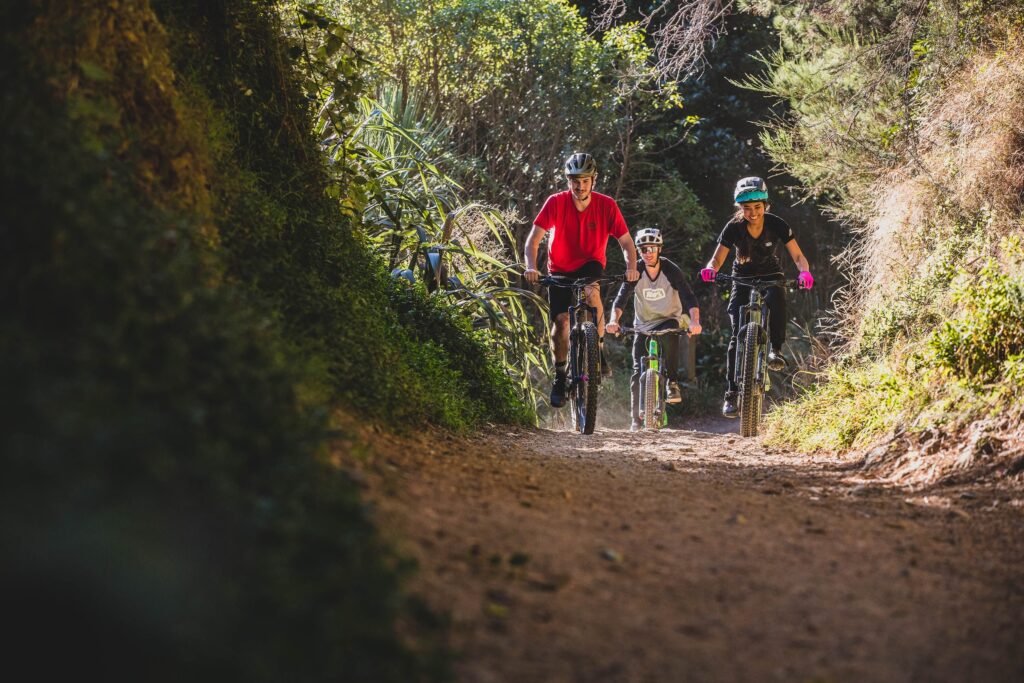
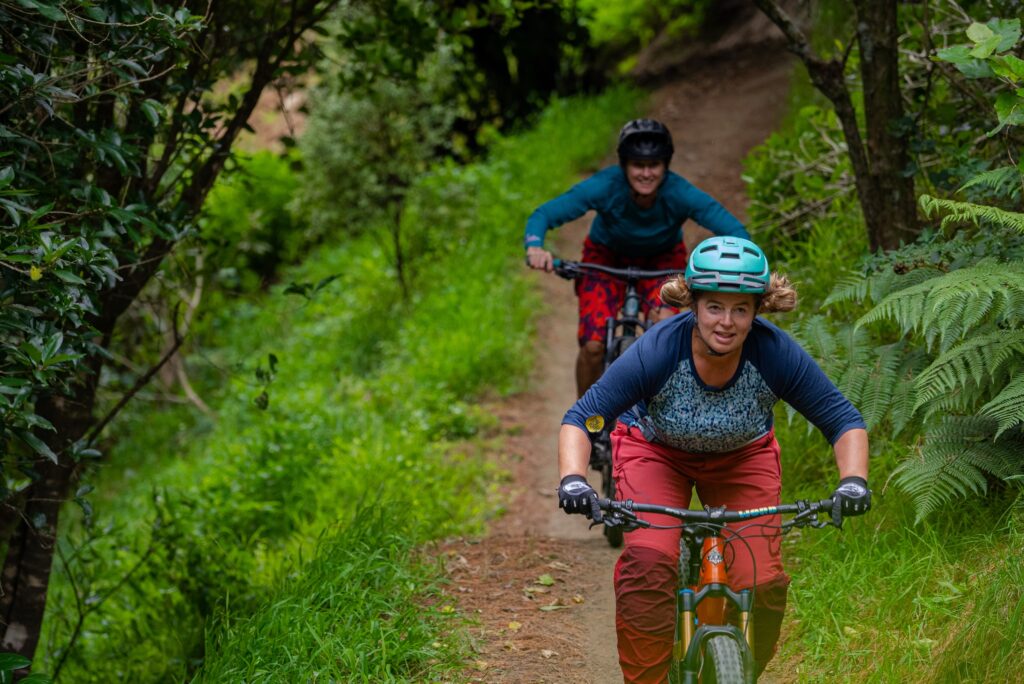
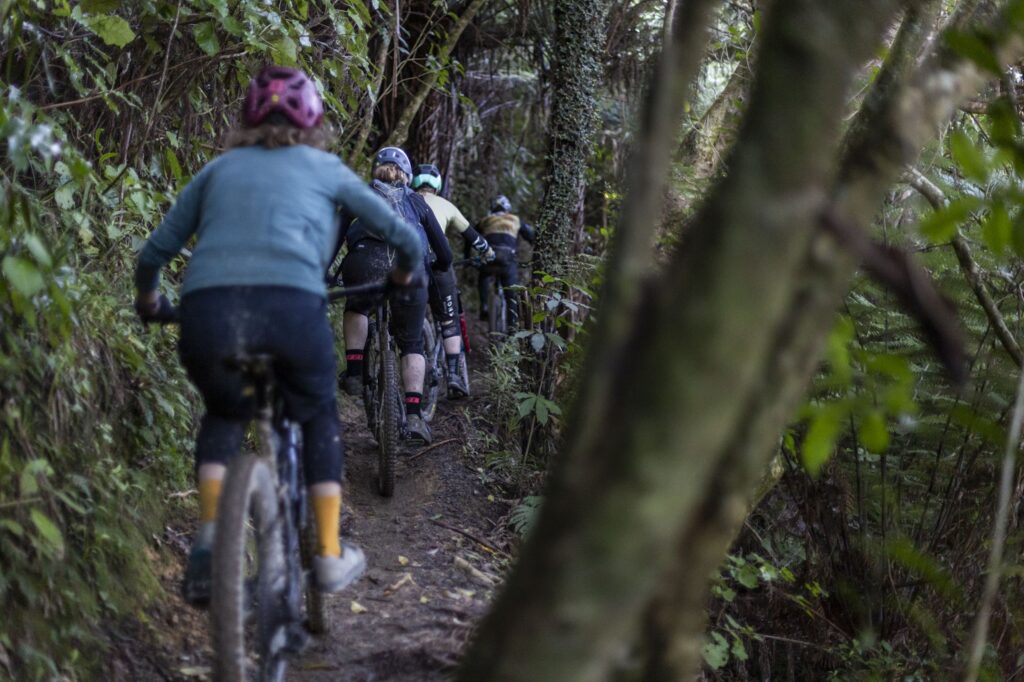
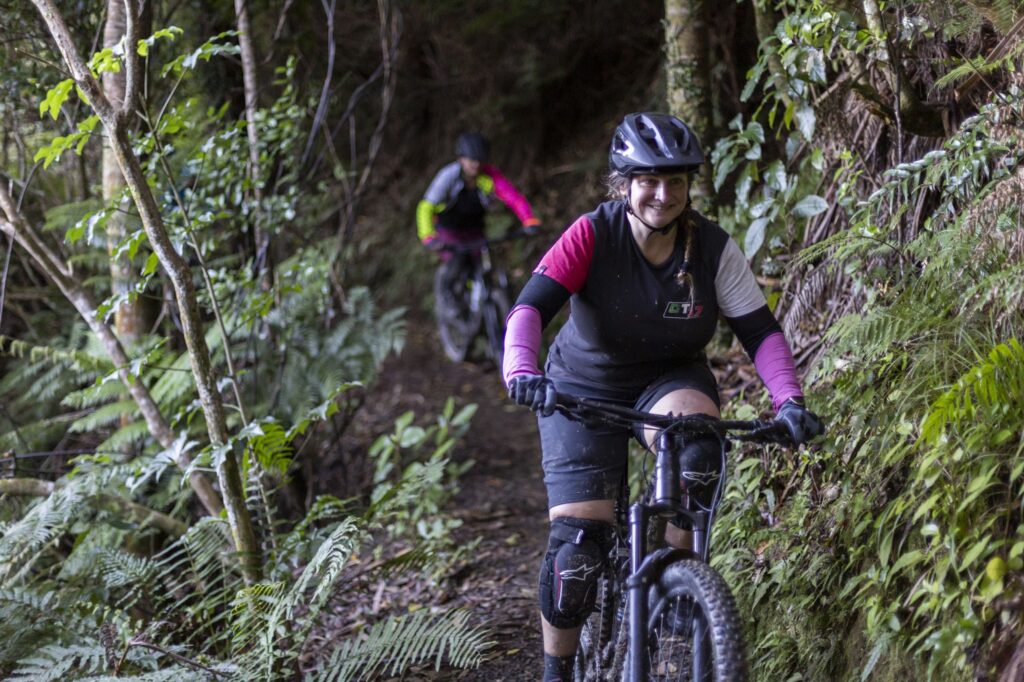
The riding in Wellington is unlike anywhere else in the country. Within minutes, the city melts away. Native forest closes in, the sound of traffic fades, and suddenly you’re riding singletrack beneath regenerating canopy, with kākā overhead and the harbour never far away.
“You can kind of suit up in the comfort of your own space and then just jump on your bike and ride through town and straight up into the bush,” says Geoff Drury, one of the key figures behind Trails Wellington and the festival. “That really is a point of difference for Wellington.”
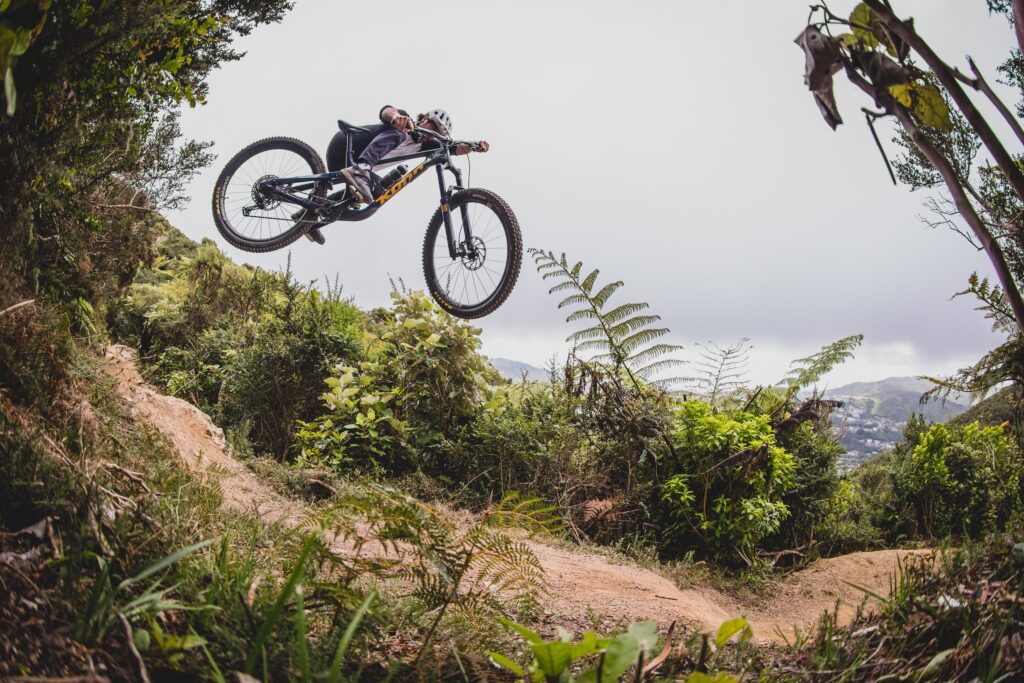
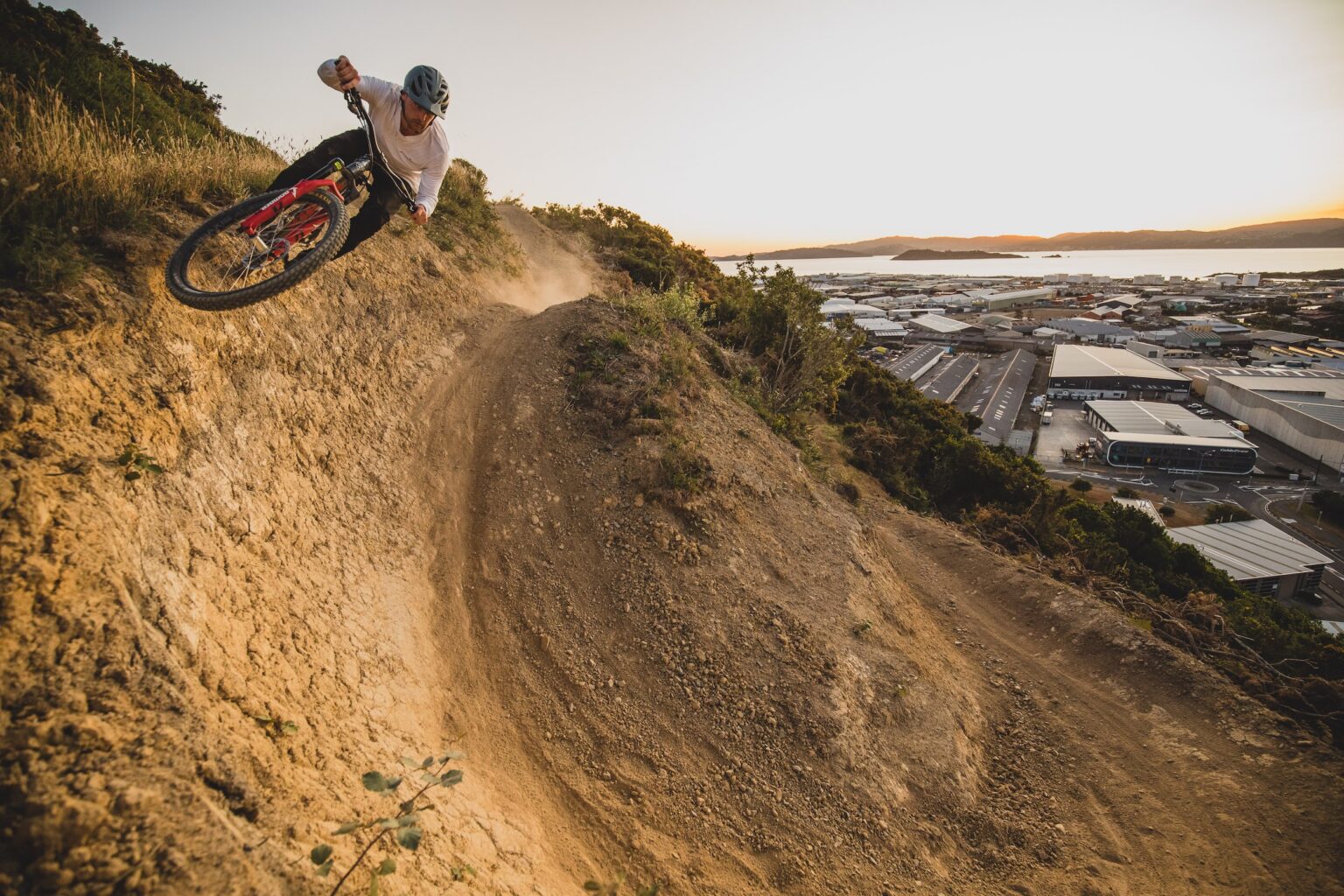
Rather than centring on a single bike park or destination trail network, Wellington’s riding is spread across an archipelago of hills. Te Ara Matairangi Mount Victoria, Mākara Peak, Waimapihi, Miramar, Wainuiomata—all public land and each offering a different flavour, yet all connected by access, proximity, and a deeply rooted volunteer culture.
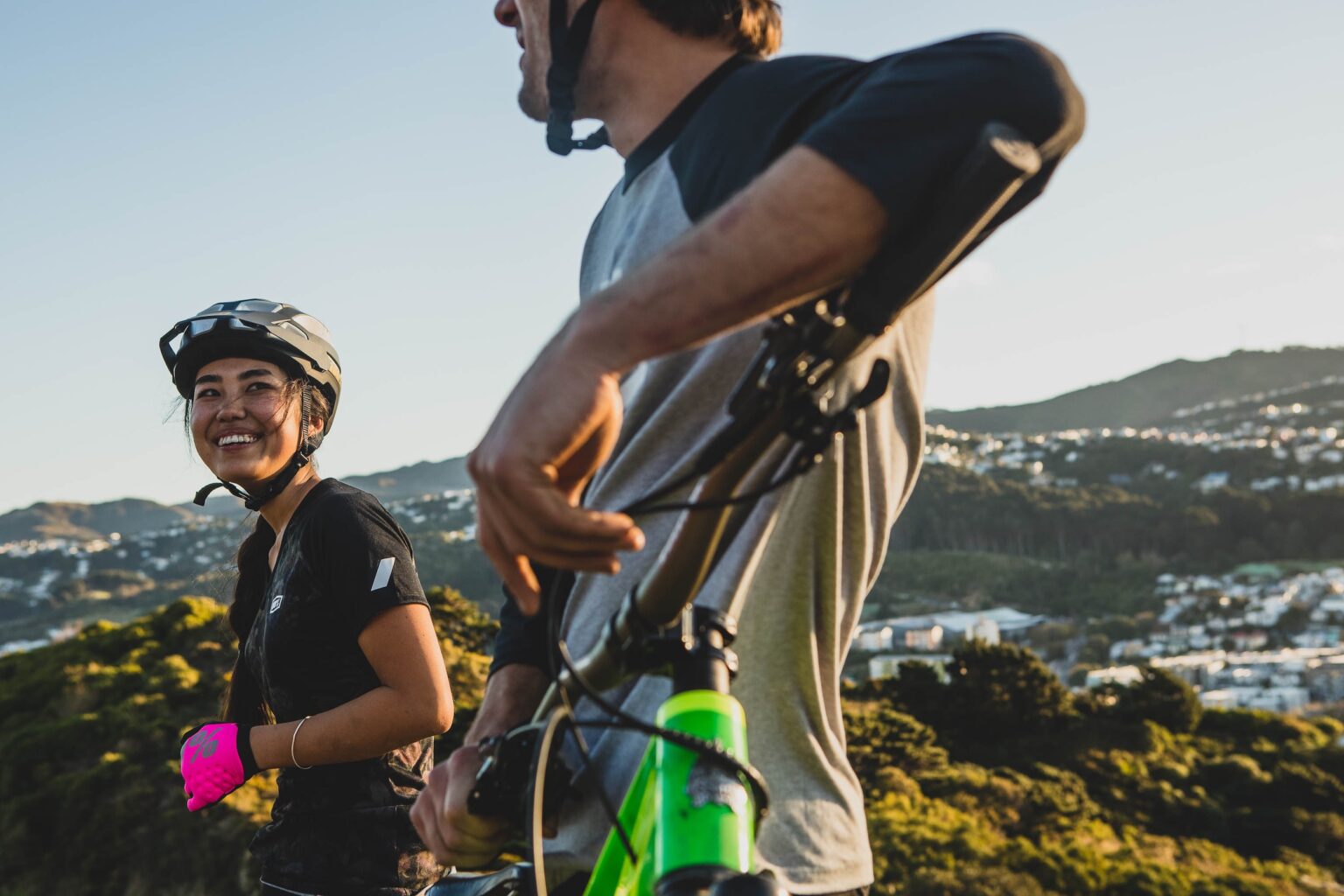

Photo | Caleb Smith 
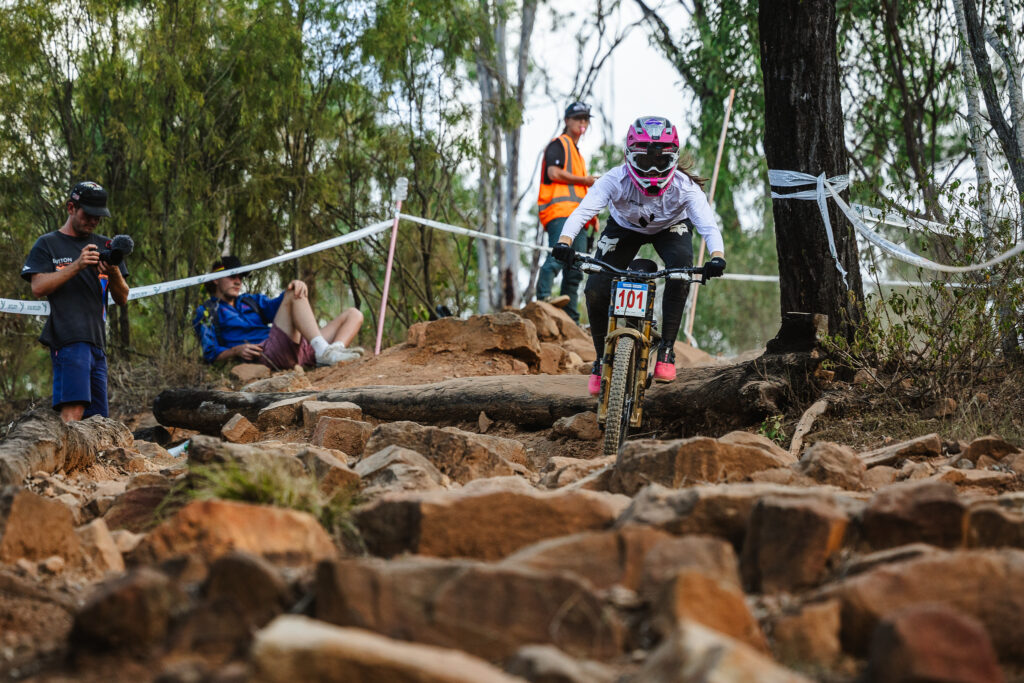
Photo | Boston Bright
A city that rides
For Trails Wellington co-founder Matt Farrar, lunch rides with his mates had been a ritual spanning decades. For an hour, they’d swap ties, keyboards, and meetings for helmets, handlebars, and trail-side banter.
“We always came back into the office with a big smile and everyone had a good afternoon. Where else could you do that in the world?”
That ease of access has shaped a riding culture that’s inclusive, informal, and spontaneous. Rides happen in lunch breaks, on the way to work, between meetings, and after school drop-offs. Trails are free to use, because they’re built on public land, supported by Wellington City Council, and the riders are caretakers, not customers.
Trails built by the community, for the community
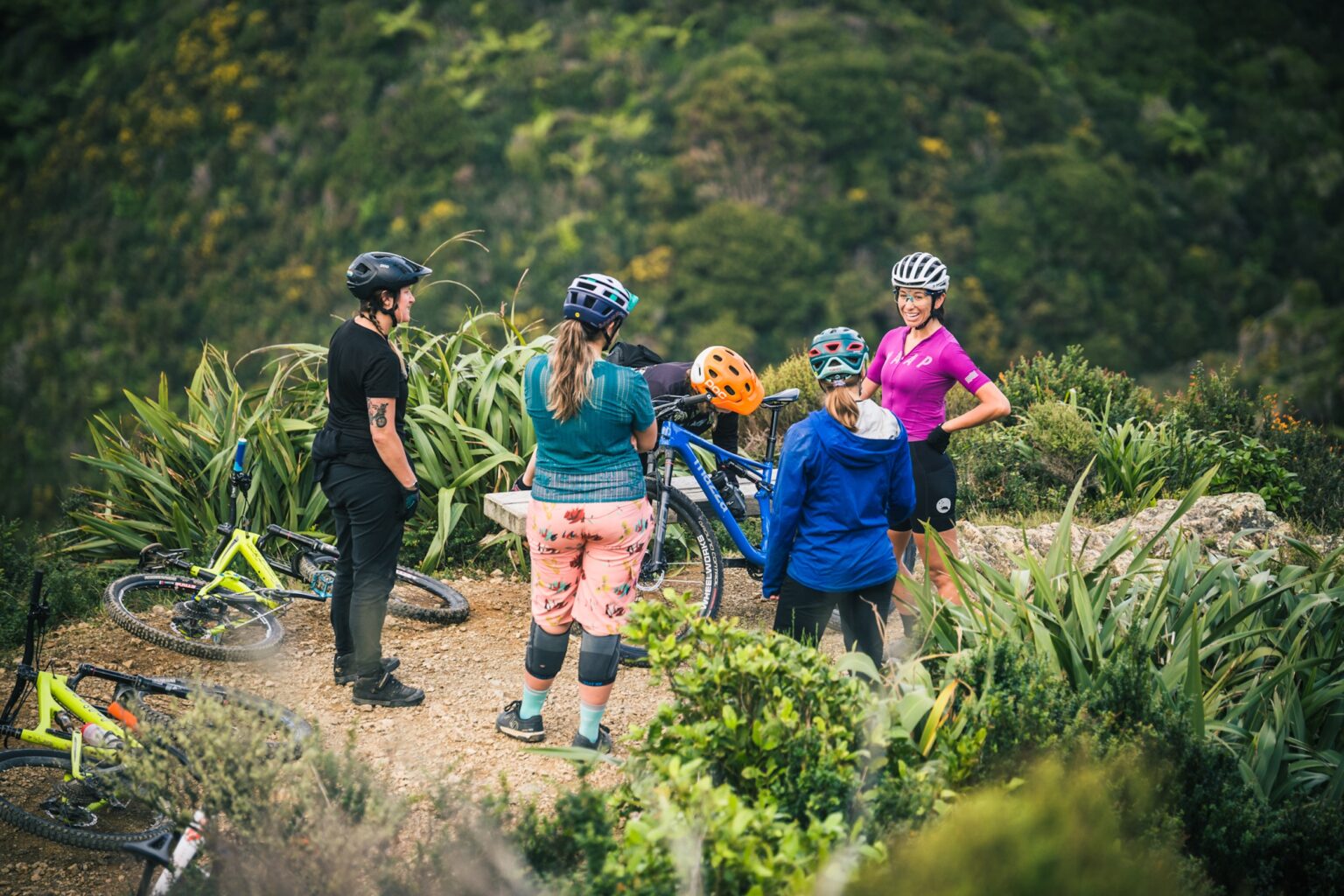
One of the things that’s special about Wellington mountain biking is its community of supporting volunteers that help to maintain and enhance the trails. The locals often live only a few hundred meters from trails, so they feel a sense of stewardship – kaitiakitanga – and that translates to maintaining and caring for the trails, Matt says.
For years, volunteer riders have been grafting away in the hills and town belts, quietly digging, planting and trapping, building an archipelago of trail centres right on the doorstep of one of New Zealand’s most vibrant cities.
Across the region, volunteer and professional trail builders don’t just cut lines through the bush, they wrap them in native tree planting and trapping networks. The volunteers manage drainage, maintain trap lines, and actively improve the ecological health of the land the trails run through. In many cases, trail building has been the gateway to large-scale restoration—creating access that allows planting, pest control, and long-term forest regeneration to happen.
“That’s an incredible asset for Wellington, so part of putting on the festival was bringing together this community of riders and trail builders and ecology people and everyone that plays a part and making our trail experience incredible.”
The result is trails that traverse living, changing landscapes—forests that are maturing, birdlife returning, and ecosystems regenerating alongside the trail network. It’s a model that’s increasingly being noticed beyond Wellington, but one that locals have been quietly refining for decades.
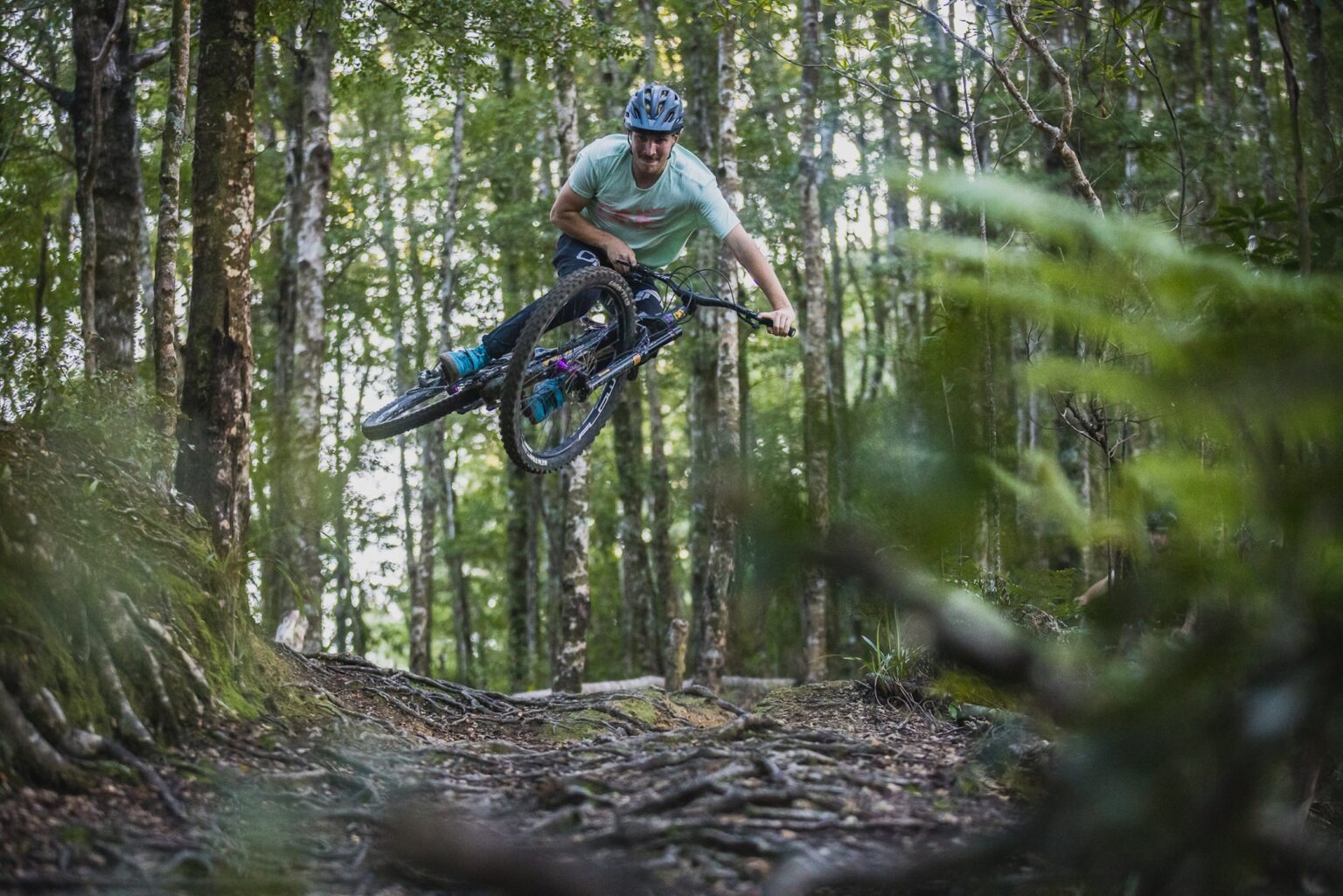

Photo | Boston Bright Photo | Caleb Smith
Why a festival? Why now?
Despite all this, Wellington has often been overlooked as a mountain bike destination. Riders pass through on their way elsewhere, unaware of what’s tucked into the hills above the city. The festival was born out of the desire to show people—locals included—what already exists.
The idea emerged from conversations between trail advocates, bike shops, and builders. What started as a loose discussion about a “fat-tyre festival” quickly evolved into something more ambitious: a community-focussed celebration of Wellington riding, trails, nature, and the people who make it all work.
“So let’s show people that. Let’s get everyone together for three days of riding and fun, invite your friends and your mates and turn it into a celebration,” Matt says.
From the outset, the vision was clear. The festival would be free, accessible, and designed first and foremost for Wellingtonians.
“If we make something that locals love,” Geoff says, “other riders will love it too.”
Generous support from and the business community helped turn ideas into reality, but the heart of the festival remains volunteer-driven. Trail crews preparing routes, local businesses backing the event, ecologists, conservation groups, and riders all contributing in their own way.
None of that would’ve happened without the longterm backing of Wellington and Hutt City Councils, Matt says.
“A lot of what has been created is due to Council support, granting access to land, rangers working alongside volunteers and a recognition that co-investing in trails with our community has massive benefits for our city.”
More than the hardcore
While bikes are what bring people together, the festival has sought to reach beyond riding alone. Alongside on-trail events, there’s a strong emphasis on conservation, restoration, and education—reflecting the way Wellington’s riding culture naturally intersects with environmental stewardship.
Capital Kiwi, ecologists, and conservation groups will be on hand sharing stories of pest control, waterway restoration, and native planting. Guided walks and interactive displays show how trail building and ecological work go hand in hand, reminding visitors that the value of these trail networks extends far beyond tyres on dirt.
“It’s not just about biking,” Geoff says. “But it’s the biking that brings us all together.”
The festival is also designed to be welcoming, Matt explains—not just for accomplished riders, but for everyone from seasoned mountain bikers to the off-road curious.
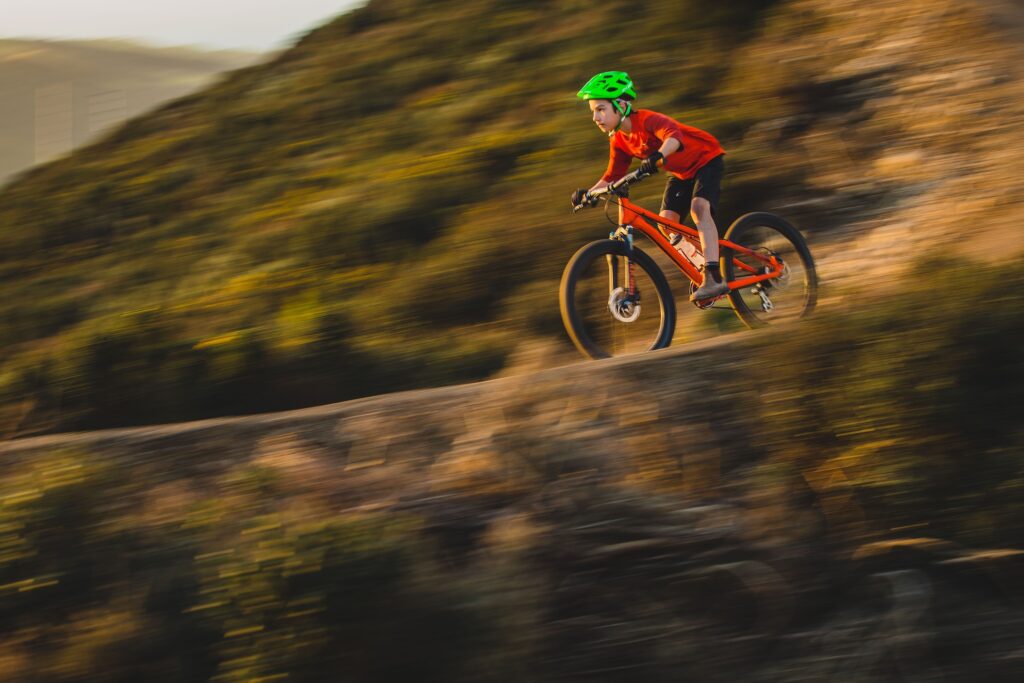
“That’s definitely a big part of the festival,” he says. “Bringing in first-timers and helping them see there are skills clinics and cool youth riding programmes like WORD that they can become part of.”
Spanning three days, the festival will feature guided rides, races and competitions, alongside food trucks, music, and seminars. Special guests Brett Rheeder and Brook Macdonald will be there enjoying the events and a dedicated conference will bring together trail builders and Department of Conservation representatives to discuss the future of New Zealand’s trail network and land access.
“We want it to be a fun event for everyone,” Matt says. “There’ll be food trucks, a DJ at Karori, and four bands playing on a stage in Matarangi.”
The entire event is free for all to attend thanks to the support of local businesses, who’ve really got behind the spirit of the festival, Geoff says.
“Led by principal sponsor Armstrong’s, along with our other key sponsors and donors, we’ve been able to cover the costs of running the festival.”
That support speaks to the strength of Wellington’s cycling culture, Matt adds, and the way mountain biking is woven into the city’s identity.
“This isn’t a commercial festival where someone’s trying to make money,” he says. “It’s free for everyone to attend, free for bike shops to set up, free across the board—and that was really important to us.”
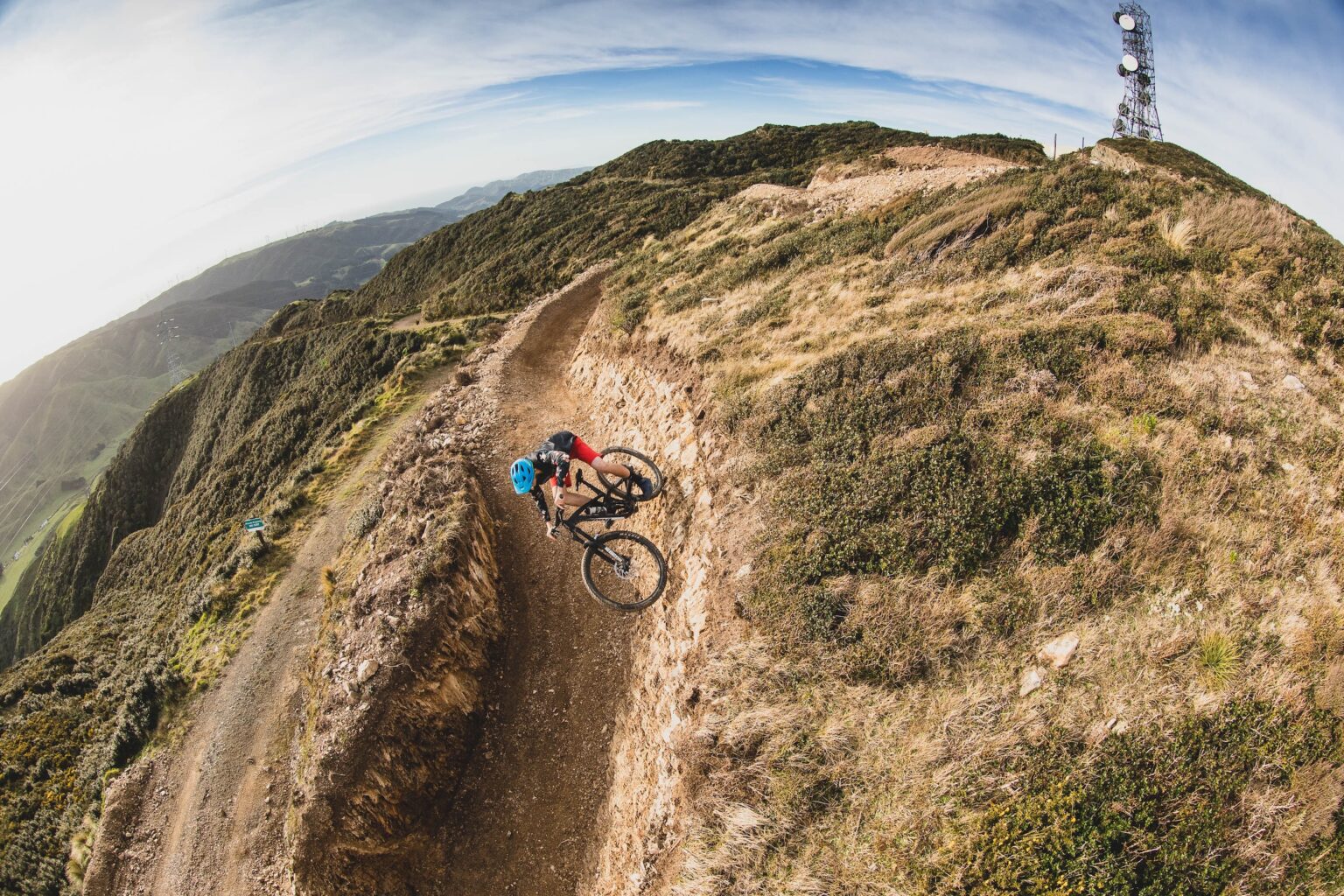
Photo | Boston Bright Photo | Caleb Smith
A reflection of Wellington itself
Wellington has long been a city where people build what they want to exist—trails included. The festival is simply a chance to shine a spotlight on a riding culture that’s been thriving quietly in the hills for years.
And if it convinces a few more people to visit for a riding holiday, or roll out for a lunchtime ride? Even better.
Because in Wellington, the trails are always just up the road.
Wellington Mountain Bike Festival 2026 February 27 – March 1
Day 1: Mākara Peak, Karori
Day 2: Matairangi, Central Wellington
Day 3: Waiu Park, Wainuiomata
To find out more, head to www.wellingtonmtbfestival.nz