
Rotorua Mountain Bike Club President Barb Jenks tells us how the Club grew from the grassroots into a national leader in events, advocacy, and rider development
In Rotorua, where world-class trails weave through lush forest, mountain biking is more than a sport—it’s a way of life. Continuing the legacy of those who built this vibrant scene over decades is Rotorua Mountain Bike Club President Barb Jenks: an educator, organiser, and passionate advocate for both people and place.
When Barb first got involved with the Rotorua Mountain Bike Club, it wasn’t part of some grand plan. She was a recently retired schoolteacher, coaxed into helping out by a few familiar faces in the local scene. What started with sourcing gear for a fledgling forest rescue idea quickly evolved into a full-blown leadership role. Today, Barb is not just the Club’s president—she’s part of one of the most dynamic, community-focused mountain biking scenes in the country.
Under the steady guidance of Barb and the passionate committee and partners across the region, the club has grown into far more than just a space for riders. It now delivers more than 40 events a year, supports elite and emerging athletes, runs a gold-standard First Response Unit in the forest, and fosters a culture where everyone—from kids to competitive riders—feels like they belong.
In this interview, Barb shares her journey from the classroom to the forest, reflects on what makes Rotorua’s mountain biking scene so special, and talks about the future of riding in one of the world’s top biking destinations.
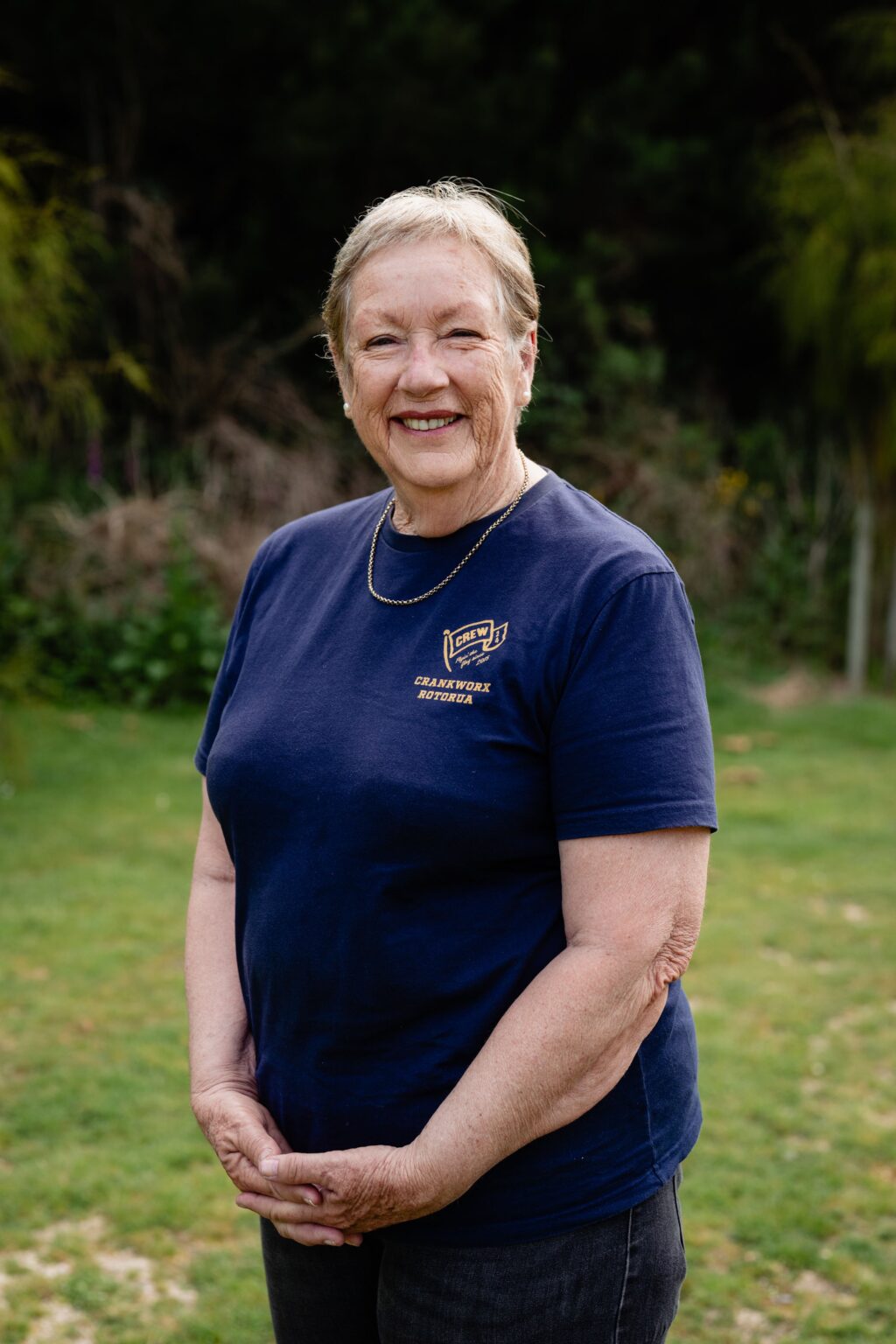
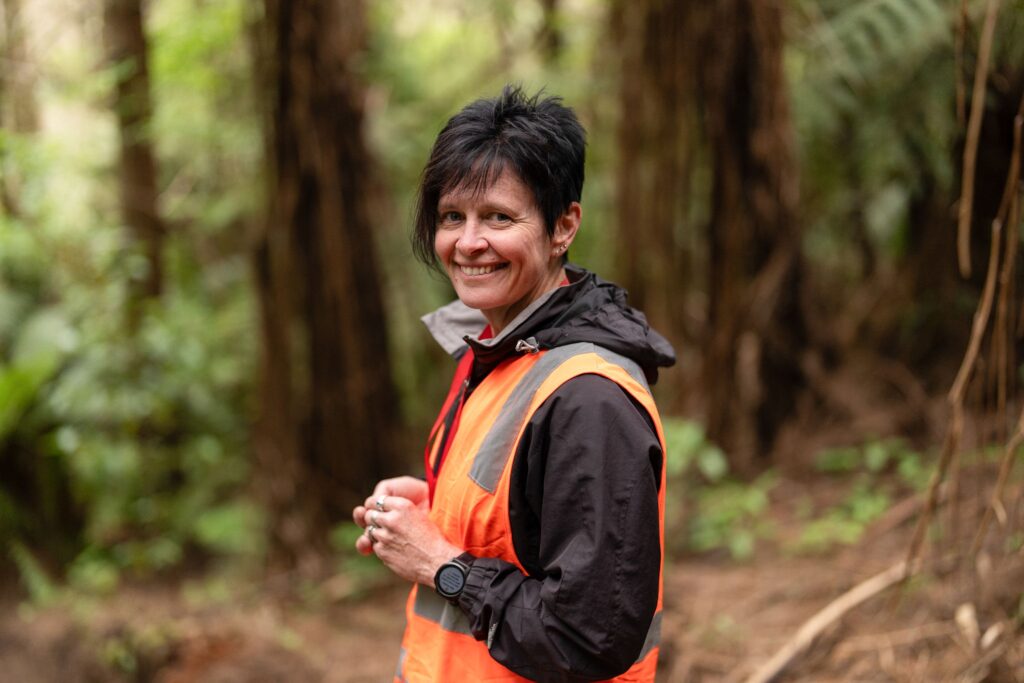
Rotorua Mountain Bike Club President Barb Jenks. Photo | Mad Love Media
Hi Barb. So can you please tell our readers a bit about your background and how you got involved with the Rotorua Mountain Bike Club?
I grew up in the South Island and went to university in Dunedin, and then I moved up to Wellington and taught at Porirua College. After that, we moved to Rotorua, where I became a secondary school teacher at Rotorua Lakes High School, which is quite a mountain biking school. When I retired, Tu and Tak Mutu sort of dragged me into looking at establishing a rescue service in the forest. So I started off by getting some money for some gear, and then for a vehicle, and then it became a professional service.
So that’s how I got into establishing the First Response Unit. And because I was involved with that, and it was going to be a Club thing, I joined the committee, and, lo-and-behold, I became the secretary—this is what happens when you retire and you’ve got time. Eventually I became president.
I now have three children and eight grandchildren and all of them ride bikes.
How do you think your experience as a schoolteacher translated to your roles at the Club?
Probably getting on with people, I suppose. You have to get on with all sorts of people when you teach. And I really love the teenagers in the club—they’re just fantastic. And I think to a certain extent the feeling’s a wee bit mutual: “There’s old Granny Barb. She’s out there biking and doing things.”
Another thing that’s helpful about having taught for 35 to 40 years is that I know a lot of people in Rotorua, and that’s always good when it comes to getting help for the Club. And I enjoy that aspect of it, I have to say.
"The mountain biking scene in Rotorua is so special because you’ve got a mix of amazing trails that are very central, very progressive people, beautiful scenery, and fabulous culture."
What is it about Rotorua that’s special to you? How did you end up there, and why have you stayed?
Well, initially I didn’t want to move to Rotorua, but my husband had a job up here so we moved. Once we settled here, I found that I really liked the place.
My husband’s always been a keen mountain biker. He’s 80 next year and he’s done the Lake Taupō Cycle Challenge 26 times. He still rides Grade 5 trails, and he entered the Pump Track Nationals this year. The kids just love him because he’s such an active rider, despite his age.
So, of course I got into it through him—mountain biking is just what you do in Rotorua, really. I also lived just across the road from the forest.
Then I was a secretary of the Mountain Bike Club for years. After a while there arose a need for someone with experience who had time, so I became president.
The mountain biking scene in Rotorua is so special because you’ve got a mix of amazing trails that are very central, very progressive people, beautiful scenery, and fabulous culture. The people here, from the little kids, to the teenage boys and girls, are just amazing.
And we’ve got some pretty amazing people involved: Tu and Tak Mutu, Ash Bond, Louis Hamilton, Ariki Tibble, Jeff Carter, Tim Farmer, Gary Sullivan, Logan Jensen, Greg Brown, Philly Angus, Clair Scott and Craig Pattle, just to mention a few.
How have you seen the Rotorua mountain biking scene change over the years?
I’ve lived here since 1980 and, when my kids were young, there wasn’t much at all back then. So it’s evolved from nothing to 300km of trails in that time and new trails are built every year due to lots of hard mahi, volunteers, and fundraising.
Tell me about the Club’s mission and how you’ve seen it change over the time you’ve been involved?
When the Club started in the 1990s it was a Club for the members that held events and really looked after their riders. Then it kind of evolved into a club that was spending a lot of effort building trails—so the initial trails in Rotorua were actually built by the Mountain Bike Club and that involved fundraising, doing the work, building the trails. Then in about 2015 the committee realised that the trail building was taking time away from the membership and events, so Greg Brown helped form the Trails Trust to focus on trail building, freeing up the club to focus on members and events, and the two organisations work together.

Tell us about some of the initiatives the Club has been running.
We have a huge amount going on. In fact, Tu Mutu did an analysis over the year since the last AGM and found that we’ve run 43 events.
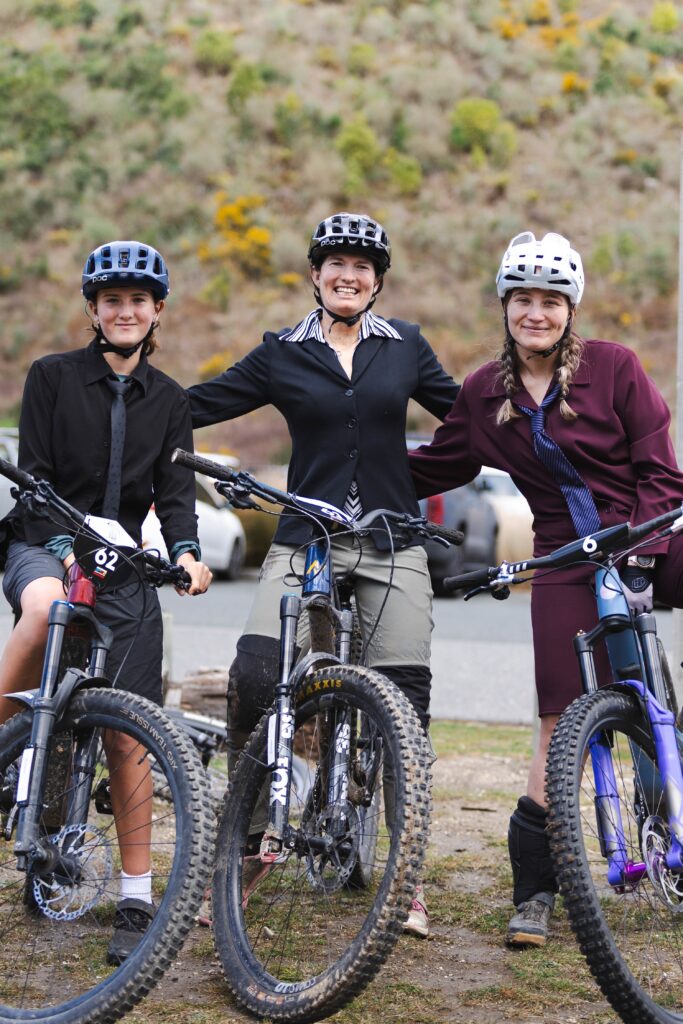
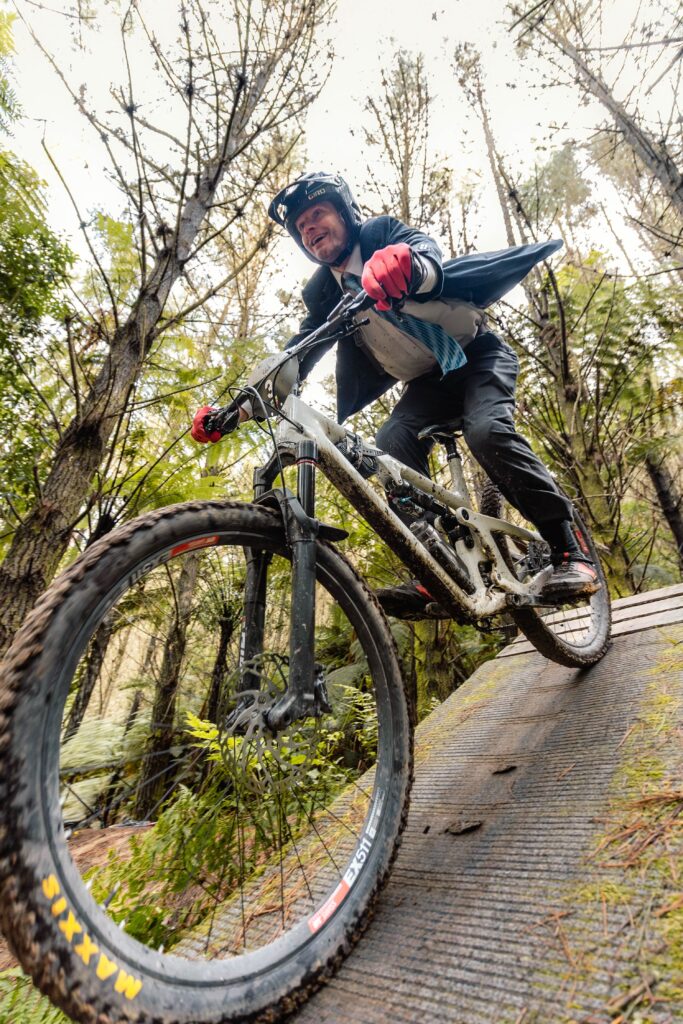
So we have Night Lights, Ladies Shuttles, Church of Dirt, the Triple Crown. The Triple Crown was sort of the original enduro, if you like. We’ve just had one and everybody got dressed up in business suits and it was just a huge amount of fun.
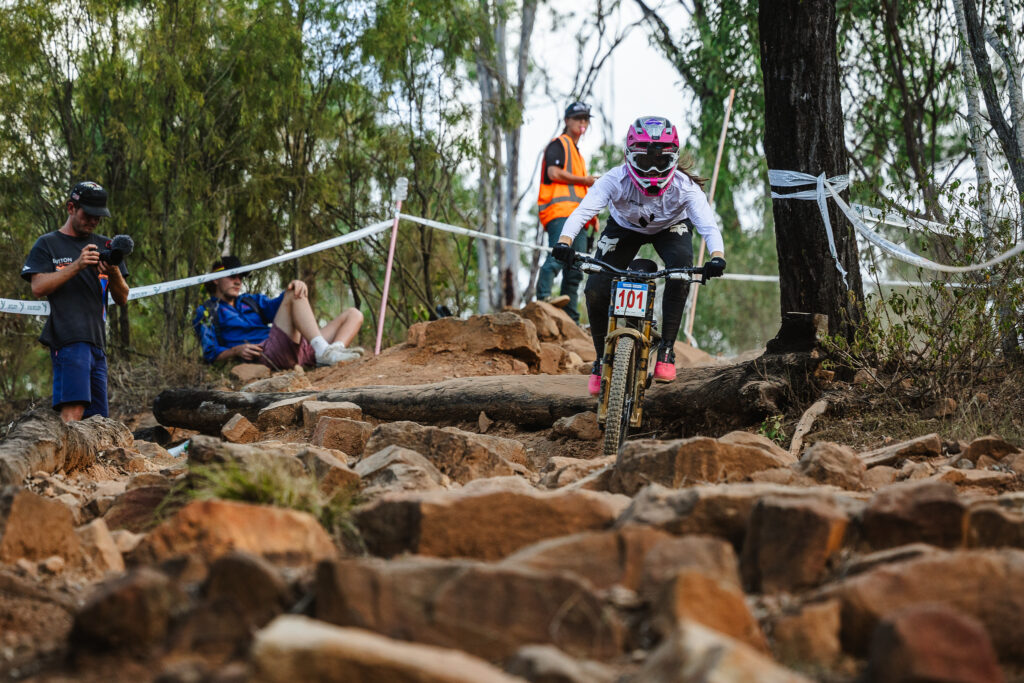
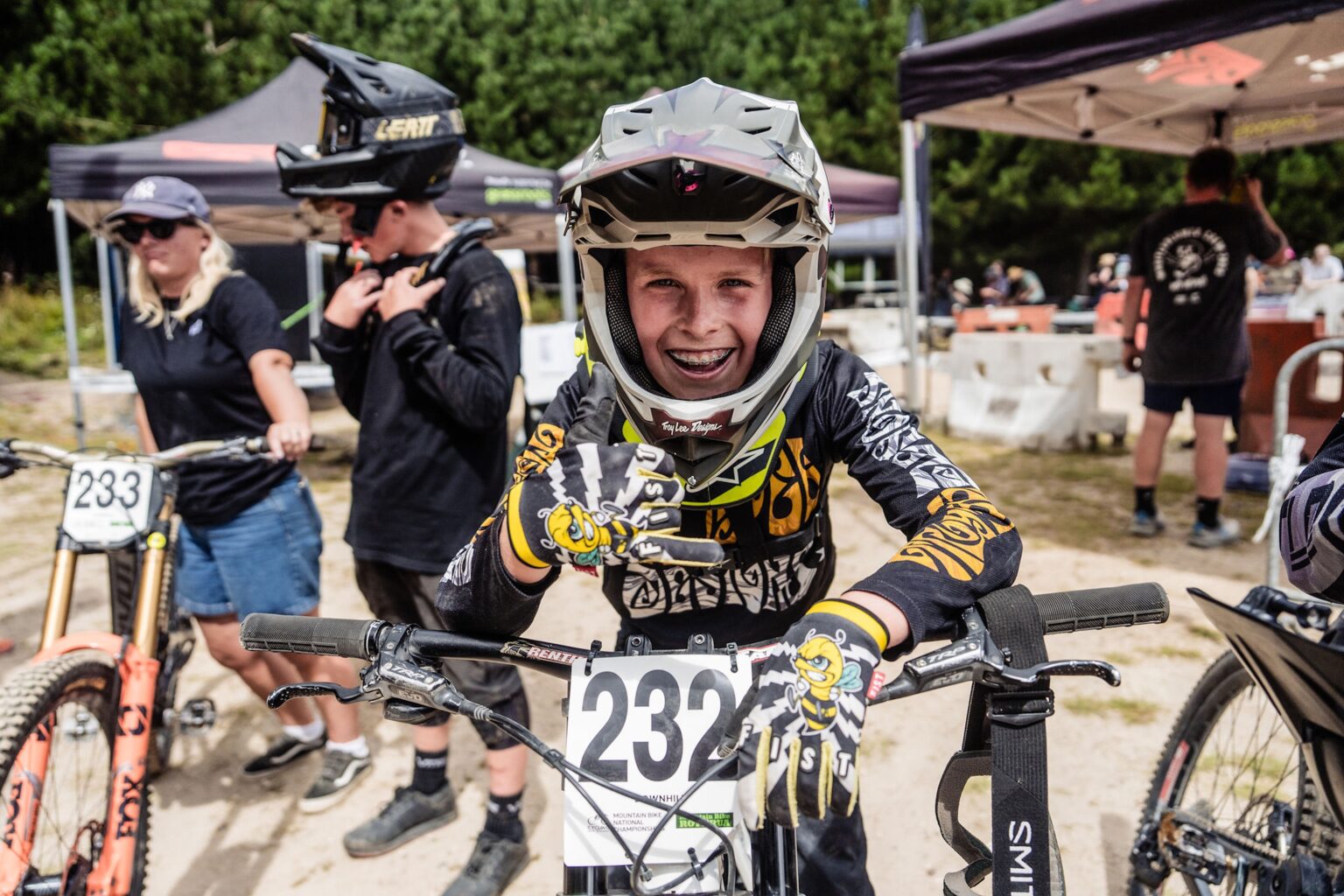
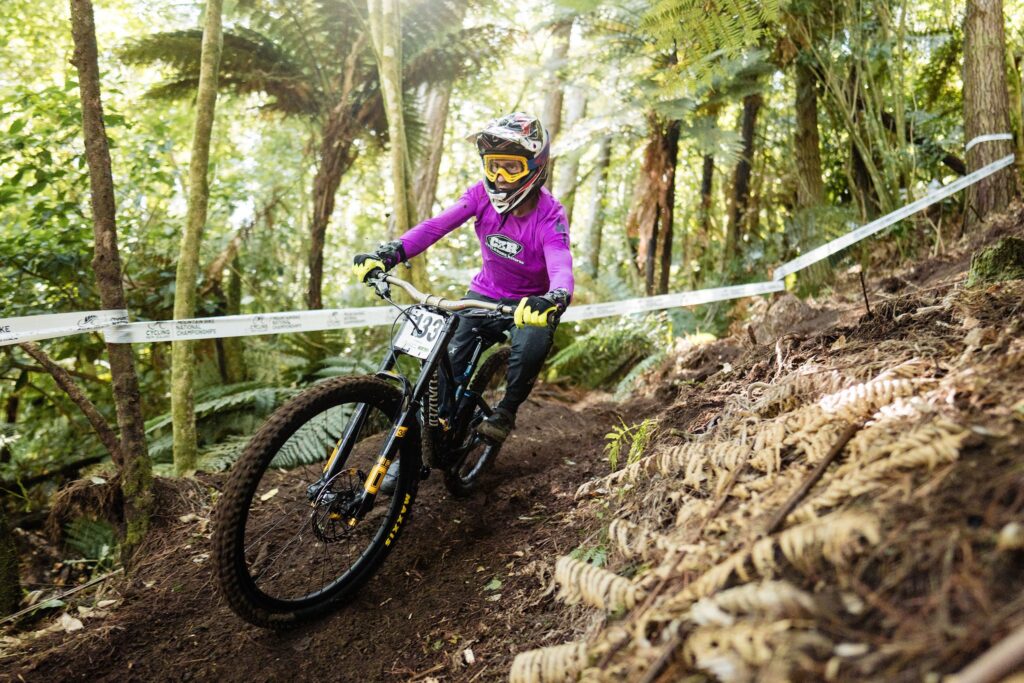
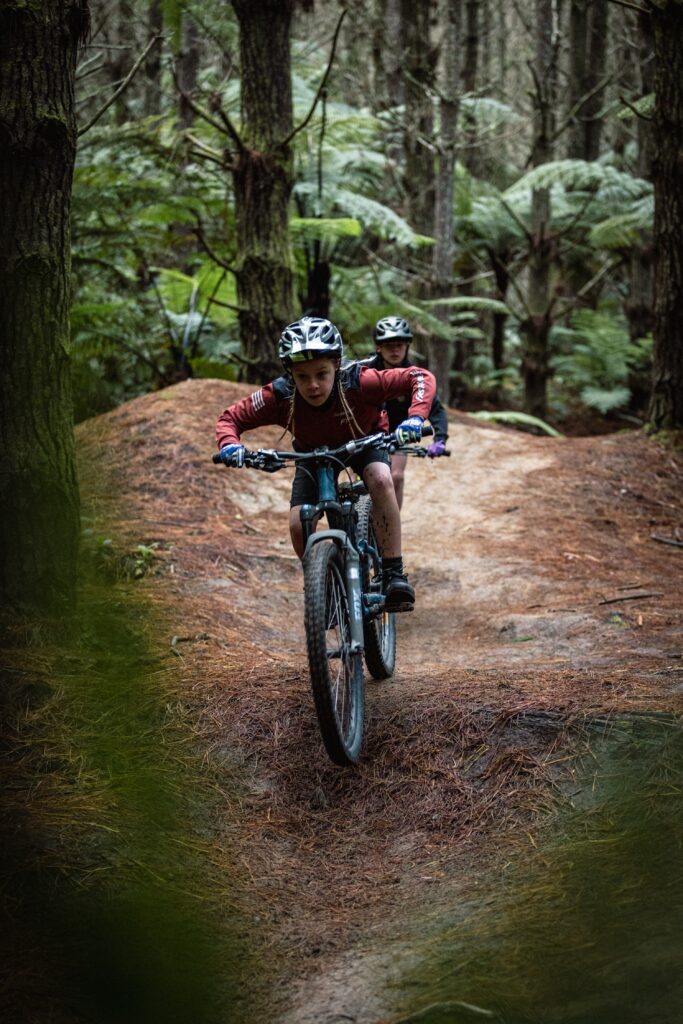
We have Low-key Super D, Low-key Junior Races, e-bike social rides. We have about 60 people turning up from all over the North Island for those e-bike social rides. We have Sunday social rides for ladies in the winter. And of course, we host national mountain biking events, like the NZDH and national downhill, cross country, and enduro championships. We had something called Ride the Runway this year, where a thousand riders turned up to ride the airport runway. Ash Bond also held an event where all the pro-riders that were back from overseas rode with kids—about 100 kids turned up to that. We had a Matariki night ride and a Matariki Ball where we raised funds for Budgie Woods, who was very involved with Peak Safety, and was recently diagnosed with Parkinson’s. We have free shuttles for the ladies. And we run concussion clinics. We have a newsletter every month. We have scholarships for emerging elite riders and kids. We have a very structured rider development programme. We run youth first aid courses—so the Club pays for it, Peak Safety runs them every school holidays, and we have a waiting list for kids to do those. It’s fantastic because they can be out there with their mates, no parents hovering around, and they’re empowered a little bit as to what to do if something happens. We give quite a bit of monetary support to the Trails Trust. And we have a kaupapa fund.
And the latest thing we’ve done is, there’s a guy at a rest home who was a motor mechanic in the Phillipines. He finds old bikes and gets the residents who have mechanical skills to help rebuild them. Then he distributes the bikes around schools and helps train kids to repair and maintain them. So we’ve been giving him some funding to keep that running.
Rotorua’s trails run through culturally and environmentally significant land. How does the Club work to be a responsible steward of those spaces?
So the Trails Trust has to apply to build each trail. The land is mostly owned by Central North Island iwi, Timberlands manages the forest, Red Stag Timber mills the trees, and the Rotorua Lakes Council manages the recreational use of the forest. So an application has to be made to all those groups for each trail that is built.
Consideration is always given to sensitive areas—they’ve discovered middens in the forest, and they’ve had to work out a way to go around them.
We’ve developed a strong level of trust with all those groups and each application is carefully managed with input from everyone—it’s a shared responsibility.

What are some of the biggest challenges the Club currently faces, and how are you working to address them?
Our focus is on members providing activities for riders, and I think we’re doing an extremely good job. For as long as I’ve been involved we’ve had fantastic people on our committee. They’re a fabulous group of people and they always put their hands up to volunteer.
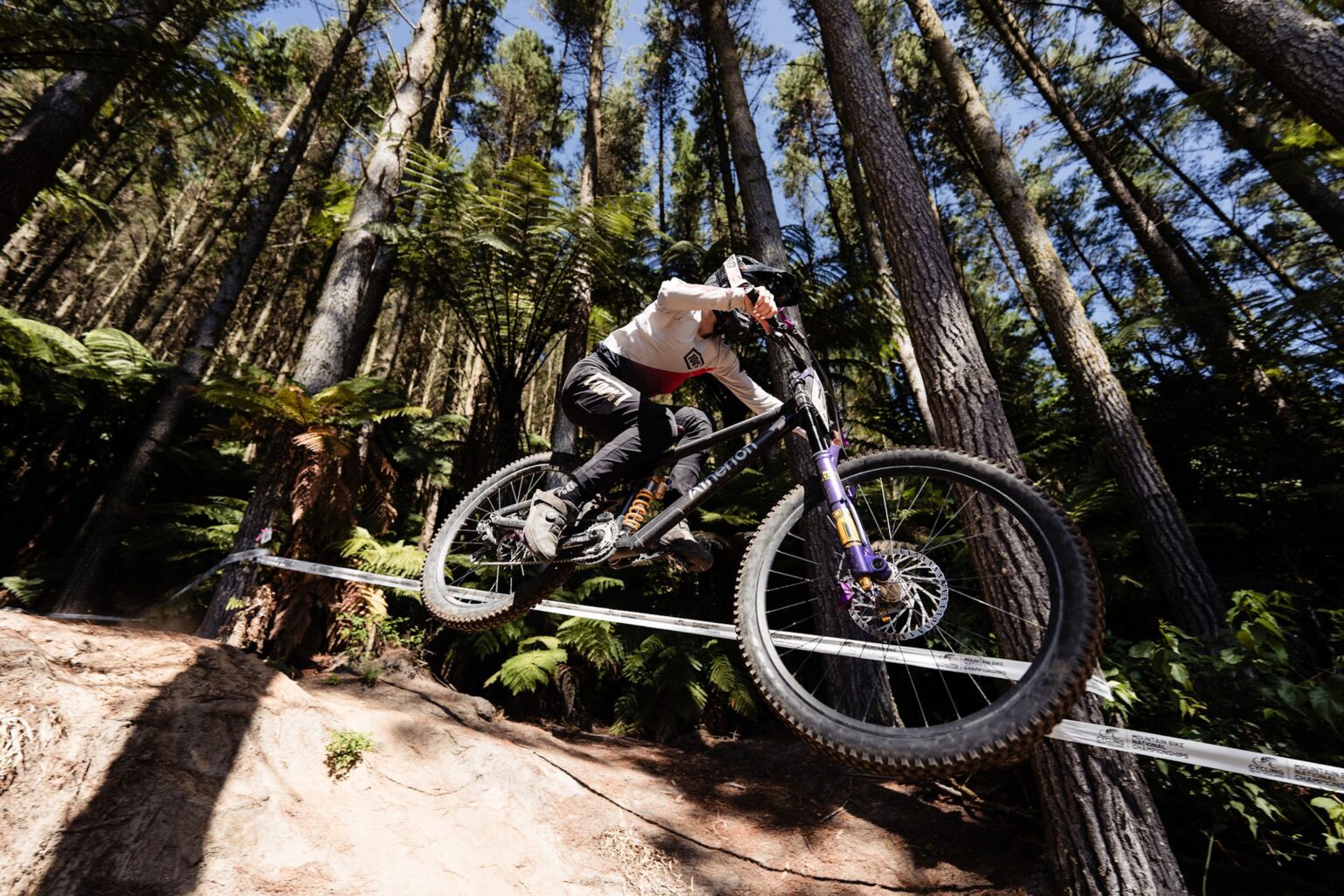
The biggest challenge is finding people to take responsibility for running some of the events. We’re running the national downhill, enduro, and cross-country events next year, and I think we’ve finally got that sorted, but it has been a challenge. You know, people work, and taking responsibility for these events is a big job—it’s a lot of responsibility, so it’s hard to get people to commit to something like that. Those events are under the umbrella of Cycling New Zealand, but we’re the ones that take responsibility for actually running the events.
It’s been tricky because the National Downhill Track in Rotorua is going to be milled, and they’re unable to give us a timeline for when it’s going to happen, so we can’t count on using that trail. As a result, we’re running the National Downhill this year in conjunction with Crankworx at Skyline. It’s the only way we’ve been able to get around that. But we will be running the enduro and cross-country events in the forest as per usual.
How do you manage communicating to riders about what areas are going to be open and closed, and then getting things going again?
Some of the people who work at Timberlands are mountain bikers and they inform the public about what is happening. But Trails Trust and the Club will also advertise that on their social media as well. So it’s never a problem.
I think Timberlands do a very good job of that—they work well with the Trails Trust and the Club and here’s a lot of collegiality around how we work together.
Do people understand that there’s life after logging—that trails get repaired afterwards?
Yes. So for example Eagle vs Shark was milled and everybody was very upset because it was a popular trail. Then it was reinstated sometime later and people said it was just as good. So the Trails Trust will work to reinstate the trails after they’ve been milled. It’s a working forest, and it’s a changing forest, and we’re lucky to be able to use it, really.
Collaboration is key in a town like Rotorua. What partnerships have helped drive the Club’s success?
So in terms of the trails, it’s the Trails Trust that’s really working with Iwi and Timberlands and Red Stag. But, you know, certainly when we were wanting to run the nationals next year, we were trying to find out what was happening in terms of the logging. Timberlands was very helpful.
Every time we run an event we have to ask permission from the Rotorua Lakes Council. So we have a good relationship there. We certainly have a lot of support from local businesses. And there’s a reason for that—mountain biking brings $140 million into the Rotorua economy each year. It’s pretty staggering.
Do you work with the council much? And how is your relationship with the council?
We’ve got a really good person there who’s manager of the recreational use of the forest. If we have an event that we’re putting on, not the low-key events we run as Club activities, but more like the Triple Crown, we have to ask permission to run that race. But we never have a problem, as long as there’s space on the calendar and it’s not clashing with anybody else.
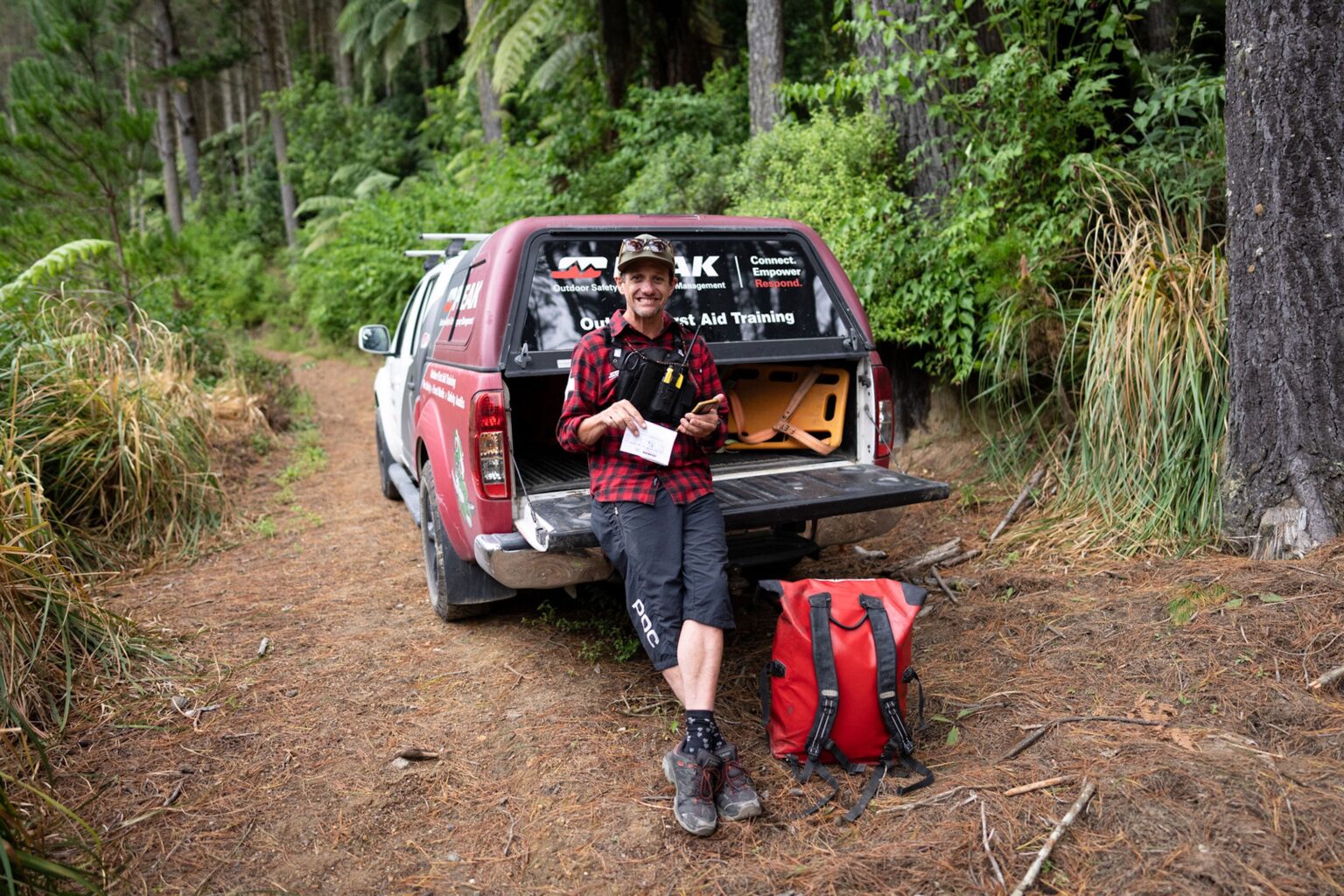
The council also pays for the First Response Unit to carry out a ranger role so that when the medics are in the forest, if they have time and are not out on a call, they check trails to make sure they’re safe and do a little bit of trail work if necessary.
What are you most proud of from your time with the club?
We’re a club that provides lots of activities for our riders. We provide lots of events. So we’ve run many national events very successfully, and we have a reputation for that. We ran the North Island Secondary Schools event last year in conjunction with Crankworks, and that was pretty amazing.
We also provide an annual $10,000 scholarship for an elite rider and we have scholarships that we give to emerging riders.
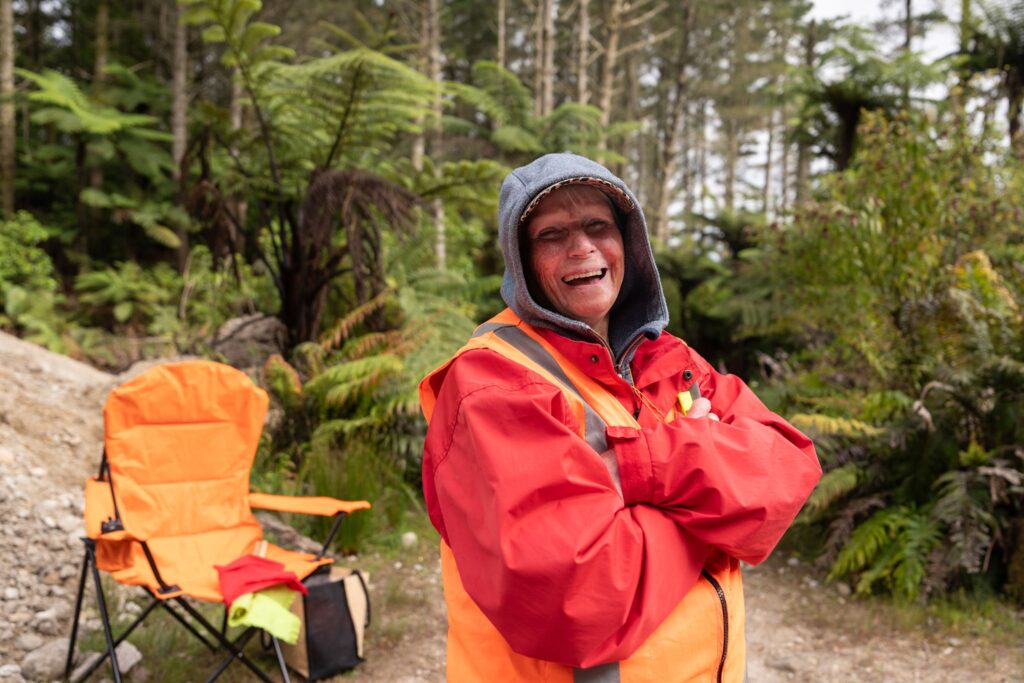
Probably the thing I’m most proud of is the First Response Unit. It’s been going for nine years now, and we pick up six people a week on average and the average time for the medics to get to people is about 10 minutes. In January alone we had 60 call-outs.
It’s a free service that’s there for everybody who uses the forest, not just mountain bikers. They’ve picked up equestrians, runners, walkers, all sorts of people. We even brought a dog home once.
We’ve saved quite a number of people from serious spinal injuries, paraplegia.
Now we’re able to take patients straight to hospital. For example, two weeks ago, there was a kid that had a ruptured spleen, a ruptured kidney, and a bruised pancreas—serious injuries. The medics managed to diagnose what was wrong, and got them straight to hospital within that magic hour.
It costs $170,000 a year to run it and I feel like it’s doing a very good job.
Looking ahead, what challenges or opportunities do you see for mountain biking in Rotorua over the next few years?
So, it’ll probably be good to increase the membership for both the Trails Trust and the Club. At other clubs, you have to be a club member to ride the trails. Whereas in Rotorua, everything’s free—the trails, the First Response Unit, it’s all free.
I want to make sure that the First Response Unit is fully funded and keeps running. It’s absolutely essential now. It’s not possible to imagine what it would be like if it wasn’t there. And the Peak Safety medics are just fantastic—they’re highly skilled, particularly with trauma-type stuff, you know, picking up people with head and spinal injuries.
I’d also like to see the Club providing lots of coaching and rider development. We’re just working on getting the right programme going and the right coaches. Louis Hamilton was doing it, but his private business has become too busy, so he can’t do it anymore. Looking after those developing riders, really, I think it’s pretty important.
What advice would you give to someone who’s thinking about joining the Club or getting involved in a leadership role?
Go for it. When I started, I knew nothing about mountain biking, so I bought myself a bike and got into it. It’s been a big learning curve for me, but I think I’m pretty knowledgeable now.
It’s quite a lot of work, but very, very rewarding. It’s also a really good way to meet people and learn new skills. And, generally speaking, the people who are involved with mountain biking are really nice people. There’s a fabulous culture among mountain bikers. And it’s great for me because I’m in my 70s but I’m just treated like everybody else—there’s no ageism, and they’re just a great bunch of people.
To learn more about the Rotorua Mountain Bike Club, head to www.mtbclub.org.nz