

There's a new mountain bike instruction standard coming to New Zealand. We talk to Rory Bingham from Onward about how GSMBC is set to redefine MTB coaching in Aotearoa.
New Zealand is known for its world-class mountain biking—but when it comes to coaching, the systems haven’t always kept pace. That’s changing, thanks to a local push to bring the global standards of GSMBC home.
Leading that charge is Onward MTB Coaching founder Rory Bingham, whose coaching roots run deep through Whistler and Queenstown. After years of working with international programmes, he saw a clear gap in New Zealand: coaching was often secondary to guiding or tourism, and lacked a unified, progressive pathway.
GSMBC (Global Mountain Bike Instructor Certification) is stepping into that gap. With more than 20 years of experience in instructor certification, it’s now being tailored specifically for New Zealand’s needs—meeting the country’s high safety standards while offering coaches a globally relevant, modern framework for progression. Backed by a growing network of local mentors, GSMBC New Zealand is already delivering Level 1 instructor courses around the country, with more advanced levels on the horizon.
For coaches, it offers a clear path to upskill and gain recognition both here and overseas. For riders, it means better instruction and more consistent coaching experiences nationwide. And for the industry, it represents a shift toward a more professional, future-focused coaching culture.
In this interview, we speak with Rory about how his journey led to founding Onward MTB, why GSMBC matters, and what this new chapter means for the future of mountain bike coaching in Aotearoa.

Hi Rory. Tell us about your background in mountain bike coaching.
I did a few seasons going to and from Queenstown and Whistler, but Whistler was really where I got the bulk of my coaching done, which was really beneficial because there’s such a long-standing coaching culture there that’s built off many generations and also across the snow industry.
While I was there, I worked for Whistler Blackcomb and ZEP Mountain Bike Camps, which ironically was the company that I initially signed up for to do their instructor’s camp.
I was coaching with them when Covid put a halt to all of that. After that I stayed in Queenstown and worked for other companies coaching, but I never really found an outlet to focus on coaching as my core thing. I also wanted to take what I’d learnt in Canada and bring it to New Zealand. So that’s why I started Onward. My goal has always been to provide the finest coaching experience I can.
"My goal has always been to provide the finest coaching experience I can."
Having worked in Whistler and seeing how things operate over there, I had that as my ideal image of how coaching should work but that wasn’t what I saw in the Queenstown market. I saw there was a gap there to establish Onward, which would allow me to have full control over my products, my services, my offerings, and really just specialise in one thing.
And that’s been our mantra from the start: we’re going to do one thing—skills coaching—and we’re going to do it as best we can. We offer a few services around that, but everything ties back to getting better on a bike and we’re going to continue to laser in on that focus.
So yeah, I got to the point where I was working with other companies, but their core business was always something other than coaching. It might have been guiding or helibiking or something like that. And I was just super keen to get Onward out there, go all in on it and do it as best I could.
Onward is coming into its third year now and it’s getting pretty busy, which is really good.
A couple of personal highlights are coaching a world champion last year, and also seeing a bunch of young juniors I’ve worked with hit the main stage and do really well.
But it’s just great to see that coaching is becoming a little bit more sought out as part of riders’ development.
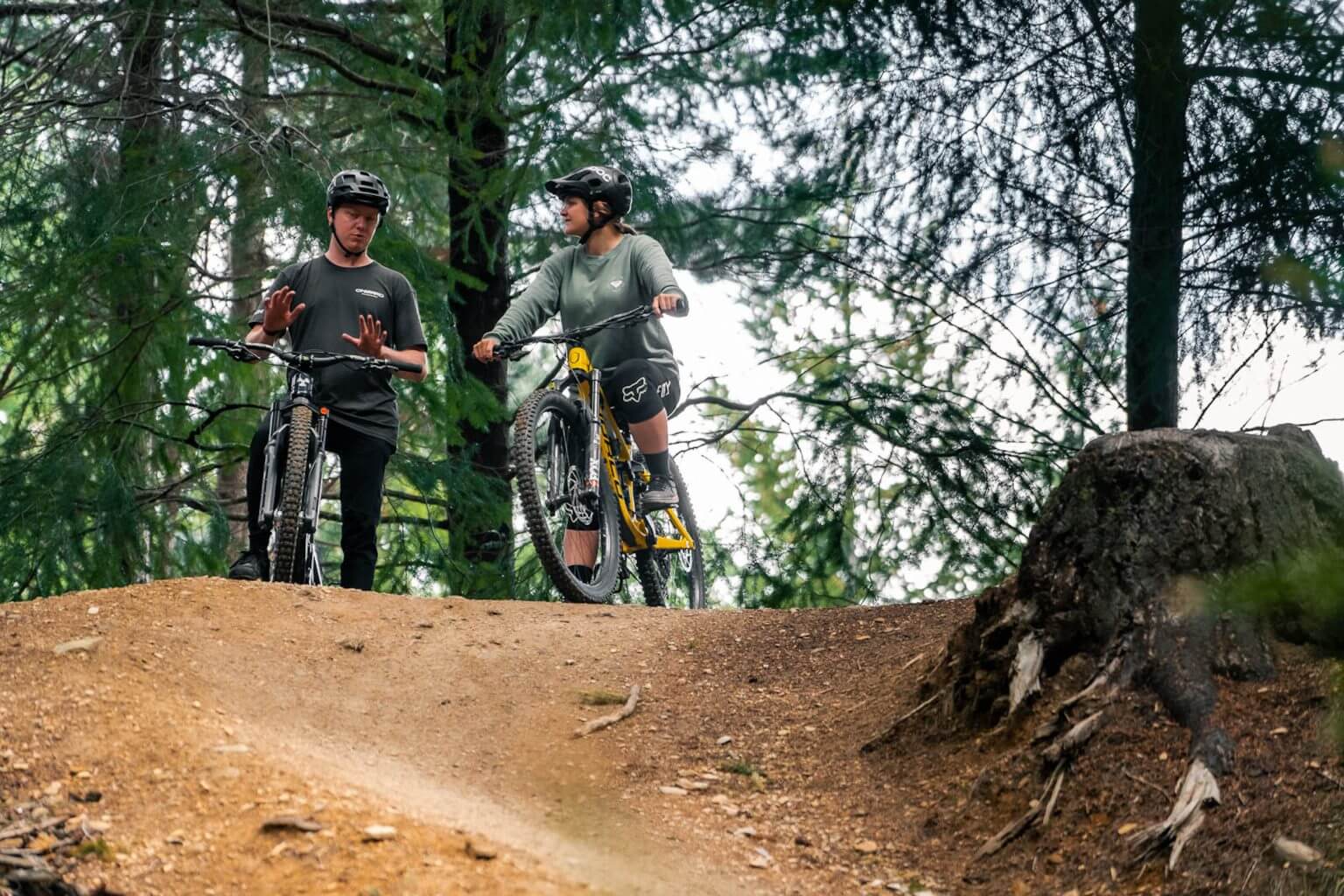
You could have gone for guiding, which would have made sense in a tourism-focused town like Queenstown. Why did you decide that coaching specifically was the thing to focus on?
Two things: firstly, there are already established guiding companies in Queenstown, so I didn’t really see as much of a gap to do better; and secondly, I just really like teaching. Helping people get better at doing something is a really great feeling. I have a very technical brain, so I always try to understand things as best I can and coaching is my outlet to share that with others.
And so let’s talk about the Global Mountain Bike Instructor Certification (GSMBC). How did that partnership come about and why did you seek it out?
So GSMBC, which was based in Canada initially, has been active in mountain bike coaching certification and instruction for more than 20 years. Their goal is basically just to provide the highest, most modern, most relevant mountain bike coaching certifications for today’s market. The sport evolves very dynamically and GSMBC is well positioned to respond to those changes.
While GSMBC is global, it still has a very strong regional presence. One of my goals is to make sure we hit the New Zealand market as well as we can and to ensure we’re not perceived as some sort of offshore alternative system, which was the case in the past. It was like with PMBIA, who I used to work for, which was never fully integrated and adopted by the New Zealand systems.
So I want to bring GSMBC coaching to the New Zealand market so we can serve the country and its unique needs as best we can. And, whilst we are global, we still have enough flexibility to cater to unique needs of the New Zealand market.
New Zealand has some of the most stringent safety regulations around adventure activities in the world. And, while that ensures that everyone has really high safety standards, it also takes a lot of time and money to comply with. And because of that there’s been a tendency to prefer a New Zealand coaching system, but that doesn’t necessarily mean the New Zealand system is the best, most relevant, or most useful certification.
"I hope it gives more clarity to the good practices within the industry and it serves its purpose of educating coaches better."
So does this relationship with GSMBC help with the New Zealand regulation context or does it make it more difficult?
I think it’s going to help. I hope it gives more clarity to the good practices within the industry and it serves its purpose of educating coaches better. And that will flow on to communities getting better coaching. It should also provide coaches a pathway to continue their teaching progression, which allows them to teach at much higher levels of riding, and that’s something we haven’t really had in New Zealand so far.
Why should people care about a global coaching standard and how does it benefit both riders and coaches?
With a more global approach, we can ensure we’re delivering the best of the world’s expertise. And for our coaches, it opens the door to using that qualification in other areas of the world. The classic one is Kiwis wanting to get a certification so they can go do some coaching in Whistler. It really just helps streamline the coach education system so that riders can have more confidence in what they’re choosing. It also means coaches know that their coaching qualification will be relevant all over the world. And that the market itself is going to be receiving the best of the global industry.
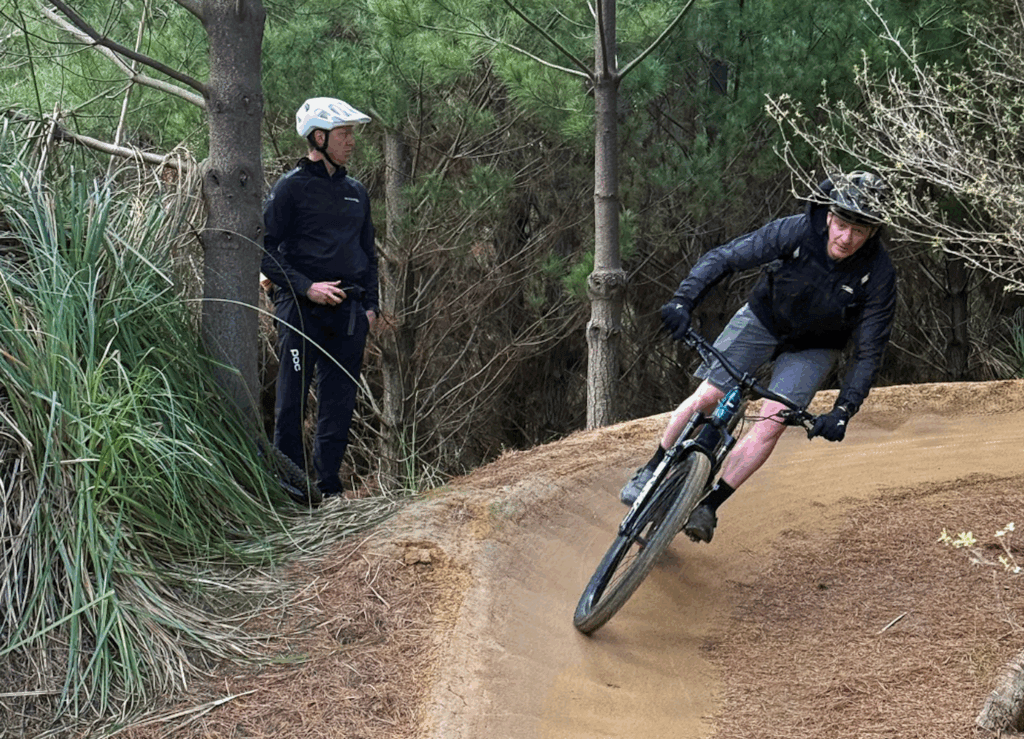
How will your involvement with GSMBC New Zealand affect your coaching business?
Well, ultimately, they’re going to be separate. It’s just that initially they’ve launched together so I can use the Onward platform to spread the word. But the long term goal is to have them as two separate entities.
I’ll continue coaching and skills training under Onward, and then GSMBC New Zealand will be me and another mentor, Jamie Garrod from New Zealand Mountain Biking in Rotorua. He’s currently getting trained up so that he can run instructor courses. We’ve also got another mentor in the South Island who’s about to enter the training pathway.
And so what have you done so far as GSMBC New Zealand?
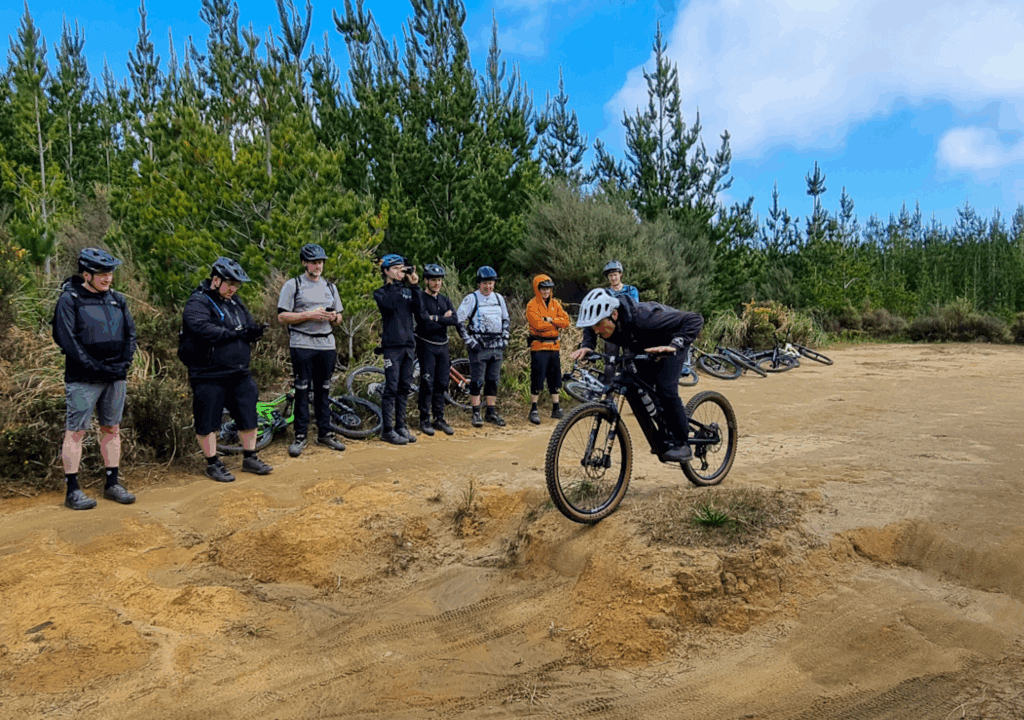
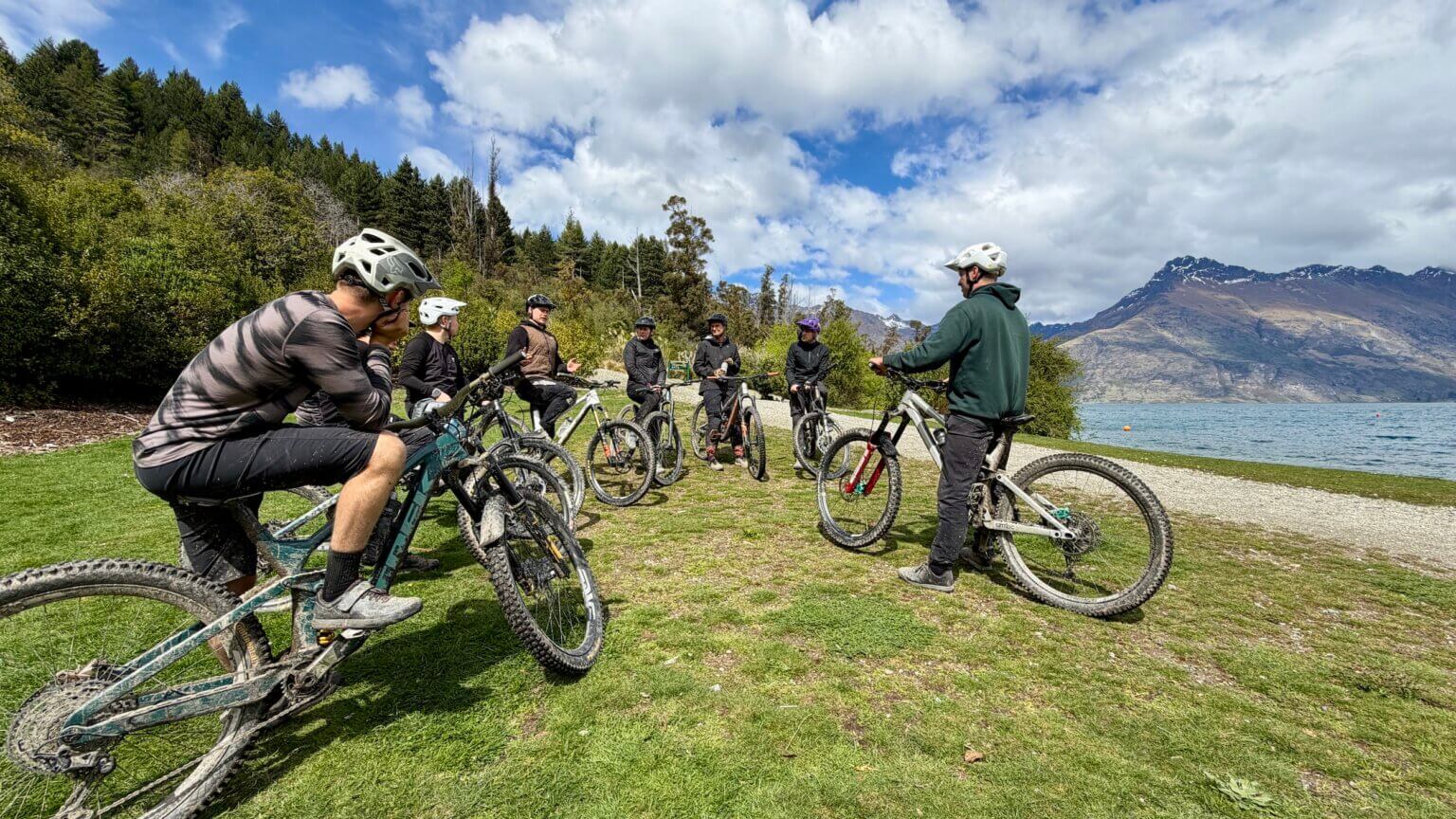
I’ve been busy teaching instructor courses. I just did three level one courses in the past three weekends—one in Rotorua, one in Auckland, and one in Wellington. And we’ve got courses scheduled for the rest of the year in Queenstown and Christchurch.
They’ve been going really well—the crews have been really awesome. The goal is to start offering more of the pathway at more consistent times throughout the year so people can plan around it. In the past it was just so random because there was no autonomy or ownership within New Zealand. Whereas now we’ve got the ability to organise things without having to go through a head office in Canada.
So, the outlook is more courses, more mentors, and a higher level of pathway so Kiwi coaches can get levels two, three, and four, which is the pinnacle of mountain bike instruction worldwide.
Have you been mainly working with existing coaches or aspiring coaches?
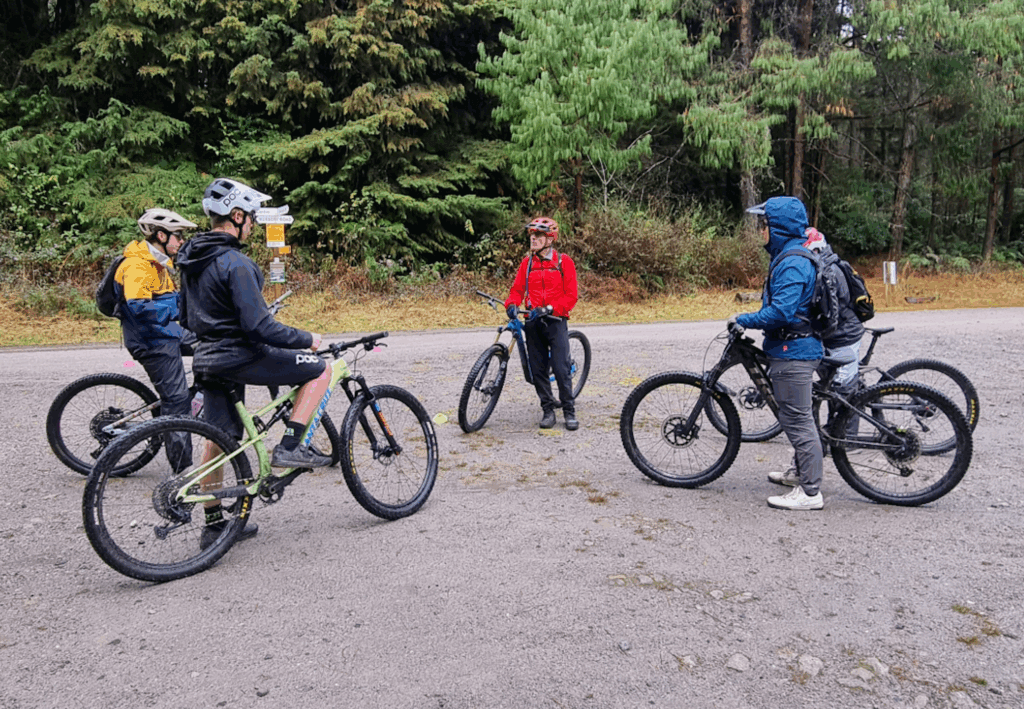
Big mix, I’d say. There are always people who are currently coaching who want to use it either as a refresher or to just learn some more stuff. Then we have a bunch of aspiring coaches who want to get into the coaching scene and want to enter the market with a certification so they can put their best foot forward. And then we get people who are either not coaching or they don’t want to be a coach, but they might want to lead group rides at their club and be able to pass on a few tips. And then finally, we get people who just want to learn more about how to ride better and the teaching part is just a benefit.

How do you see the growth potential for GSMBC in a small country like New Zealand?
I’m fully aware that we’re in a very niche market in quite a small country, but I do think the opportunity is very big because as much as the New Zealand mountain bike scene is huge and it’s in a massive international destination.
At the moment our coaching systems are very fragmented and we have a fair bit of catching up to do to get to the global standard of Whistler, for example. So being able to offer a coaching pathway that’s more complete and covers more of the country is a huge opportunity to upscale everyone in New Zealand.
What’s the best way for aspiring coaches to start?
I think to start on that pathway, there’s two pillars—you’ve got your certifications on one side and experience on the other. And they’re both needed to complete the picture.
It’s all well and good turning up on a certification course, but time on the job, similar to an apprentice learning a trade, is also really important. So it’s important to cover off those two aspects however you can, whether that’s volunteering at your local coaching company or asking to shadow sessions, or even getting coached yourself. Then the certification pathway will narrow your focus and give you the tools that you can take away and build cool stuff.
To learn more, head to onwardmtb.com
GSMBC – Frequently Asked Questions
What is GSMBC?
GSMBC, the Global Syndicate of Mountain Bike Coaches, is a coach education and certification programme for mountain bike instructors. It was launched in 2025 to provide a more flexible, up-to-date approach to coaching, built around the evolving needs of riders, coaches, and the sport as a whole.
Is GSMBC available in New Zealand?
Yes. GSMBC is active in New Zealand, with trained mentors delivering courses across both the North and South Islands. The programme has been adapted to meet New Zealand’s strict safety regulations while maintaining international standards.
Where did GSMBC come from?
GSMBC was created by the same people who led the development of PMBI and the PMBI Association. These programmes, originally developed by ZEPtechniques in Whistler and Endless Biking in North Vancouver, helped set the global standard for mountain bike instructor training. After nearly two decades of leadership in the industry, they launched GSMBC as the next step forward.
How is GSMBC different from PMBI or PMBIA?
PMBI and PMBIA focused on instructor certification. GSMBC moves beyond that to focus on coach education—supporting long-term rider development, coach progression, and modern teaching practices. It offers more flexibility, updated content, global recognition, and a wider range of resources for coaches.
What levels or qualifications does GSMBC offer?
GSMBC uses a four-tier education and certification pathway. This structure supports coaches from their first steps in the industry through to elite-level performance coaching. Each level builds on proven techniques while adapting to current riding styles and coaching environments.
What formats does GSMBC training use?
GSMBC offers in-person, online, and hybrid learning options. It also provides regionally adaptable scheduling, multilingual materials, live webinars, coaching analytics tools, and other digital resources to make coach education as accessible as possible.
Who is GSMBC for?
GSMBC is for a wide range of people: new and aspiring coaches, experienced instructors looking to upskill, bike parks and coaching companies, school teams, volunteer leaders, and national-level coaches. It is designed to support anyone who wants to improve their coaching and help others ride better.
Is GSMBC recognised internationally?
Yes. GSMBC qualifications are recognised around the world. This makes it easier for coaches to work overseas or bring international-level coaching practices back to their home country.
What are the benefits of GSMBC for coaches?
GSMBC offers a clear professional pathway, recognised certification, modern teaching tools, and support for ongoing development. It helps coaches improve their skills, grow their careers, and deliver better coaching experiences for riders.
How do I get started with GSMBC?
Most coaches begin with the Level 1 course. This is suitable for new coaches, volunteers, or anyone wanting to improve their instructional skills. From there, coaches can progress through higher levels as they gain experience.
How do I find upcoming GSMBC courses?
Courses are being run regularly in locations including Rotorua, Auckland, Wellington, Queenstown, and Christchurch, with more to come. Local coaching providers and the GSMBC website will list upcoming course dates and details. In the meantime, you can find more information at onwardmtb.com.